What are the 5 advantages of a hydraulic system?
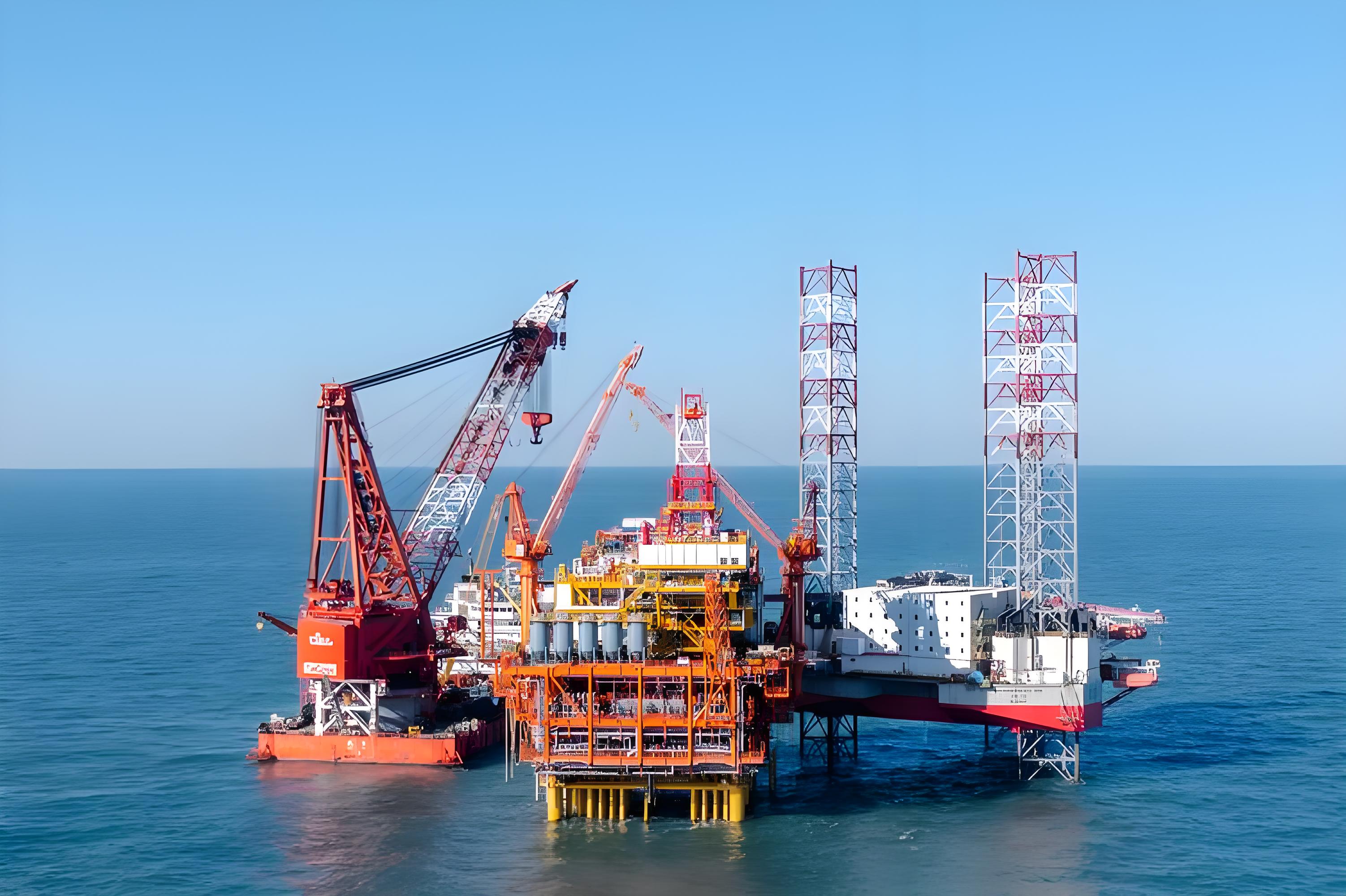
A hydraulic system delivers significant benefits in modern industry. Power density, precise control, smooth operation, simple design and maintenance, and versatility set it apart. Global demand continues to rise, with the hydraulic market valued at over USD 45 billion in 2023 and expanding rapidly in construction, agriculture, and transportation.
Key Takeaways
- Hydraulic systems deliver strong power in small spaces, making them ideal for heavy lifting and precise tasks in many industries.
- They offer accurate and smooth control of movement, ensuring reliable and safe operation in sensitive applications like aerospace and construction.
- Hydraulic systems are easy to maintain with simple designs and adaptable features, allowing them to work well in harsh environments and diverse industries.
Power Density of a Hydraulic System
High Force in a Compact Size
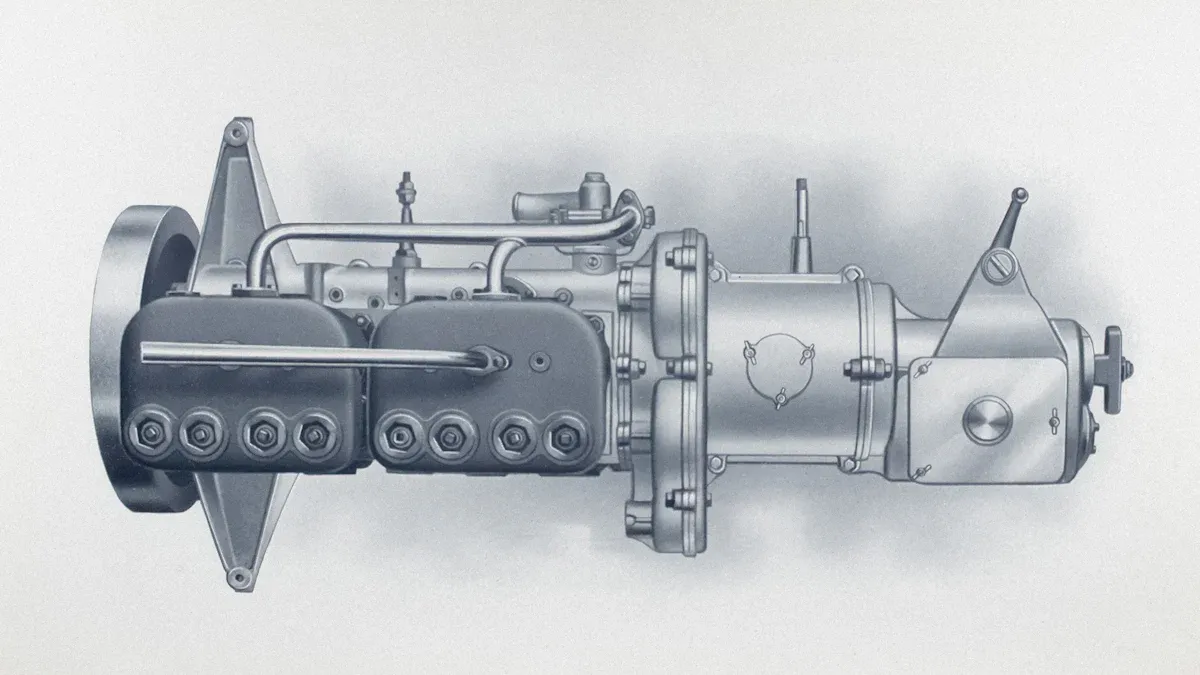
A hydraulic system stands out for its ability to deliver high force within a compact footprint. This advantage comes from the incompressibility of hydraulic fluids, which allows the system to transmit significant power through small actuators and cylinders. For example, mini hydraulic linear actuators provide strong, precise motion control even in tight spaces. Heavy-duty hydraulic actuators can achieve force outputs up to 150,000 pounds, making them suitable for demanding industrial applications. The following table highlights the force output range of different actuator types:
| Actuator Type | Force Output Range | Additional Specs |
|---|---|---|
| Mini/Compact Hydraulic Actuators | High force output (compact size) | Ideal for space-limited machinery |
| Heavy-Duty Hydraulic Actuators | Up to 150,000 lbs (667 kN) | Used in heavy industrial equipment |
| Example Hydraulic Cylinder | 15,000 lbf (66,723 N) | 3-inch diameter at 2200 psi pressure |
Modern advancements, such as metal 3D printing and high-strength alloys, have further improved the power density of hydraulic components. These innovations allow for lighter, more efficient designs without sacrificing strength or reliability.
Real-World Examples of Power Density
Hydraulic systems play a crucial role in industries where compact, powerful force is essential. Construction machinery like excavators and bulldozers rely on hydraulic cylinders to lift and move heavy loads with precision. In agriculture, tractors use hydraulic systems to pull implements for planting and harvesting, demonstrating superior power density in the field. The transportation sector benefits from hydraulic-powered landing gears and brakes in aircraft, as well as ground vehicles at airports. Food processing lines also use hydraulic motors and actuators to automate packaging and assembly, increasing efficiency and reducing manual labor. These examples show how hydraulic systems enable high-performance operation in limited spaces across diverse industries.
Precise Control in a Hydraulic System
Accurate Movement and Positioning
A hydraulic system delivers impressive accuracy in movement and positioning, making it a preferred choice for industries that demand repeatable results. Modern systems achieve repeatable positioning as fine as 0.0005 inches, especially when using servo valves and advanced feedback sensors. This level of precision supports applications such as metal forming, flight simulation, and press brakes. Engineers often select magnetostrictive, radar, or inductive sensors to monitor actuator position. Control methods include both model-based and model-free algorithms, which help maintain accuracy even when system conditions change.
Tip: Regular maintenance and the use of advanced sensors can further enhance the precision and reliability of hydraulic actuators.
The following table highlights how hydraulic systems compare to electric motors in terms of positioning accuracy and control:
| Feature | Hydraulic Systems | Electric Motors |
|---|---|---|
| Typical Positioning Accuracy | Repeatable positioning around 0.0005 inches achievable | Often within microns (sub-millimeter) |
| Control Approach | Electrohydraulic servo valves, closed-loop feedback | High-resolution encoders, servo control |
| Strengths | High force, force feedback, rugged environments | High resolution, fast response, clean actuation |
| Application Examples | Metal forming, flight simulators, press brakes | Robotics, CNC machining, pick-and-place systems |
Comparison to Mechanical and Electrical Systems
Hydraulic systems excel in delivering high force and robust performance, but electric actuators offer greater control accuracy and programmability. Electric actuators enable precise, repeatable movements and integrate easily with electronic control systems. Hydraulic actuators, while slightly less precise due to fluid dynamics, still provide fast response times and reliable operation under heavy loads. Pneumatic systems, by contrast, show more oscillation and lower precision because of air compressibility. In summary, a hydraulic system balances high force output with precise control, making it suitable for demanding industrial environments where both power and accuracy matter.
Smooth Operation of a Hydraulic System
Consistent and Fluid Motion
A hydraulic system delivers remarkably consistent and fluid motion, which sets it apart from other power transmission methods. This performance comes from the use of nearly incompressible fluids, allowing precise control of speed, position, and force. Hydraulic oil absorbs inertia, enabling smooth starts and stops without the need for extra braking devices. Operators can easily adjust speed and output using pressure control valves, which makes the system highly responsive to changing demands.
Several engineering features contribute to this smooth operation:
- Pumps and motors generate steady fluid flow and pressure, selected for efficiency and low noise.
- Valves control the direction, pressure, and rate of fluid movement, ensuring precise system response.
- Actuators, such as cylinders and motors, convert hydraulic energy into controlled mechanical motion.
- System design minimizes pressure drops by using large-diameter piping and optimized layouts.
- Load-sensing and flow-on-demand circuits adjust power output to match task requirements, improving efficiency and reliability.
The table below highlights how hydraulic systems compare to other power transmission methods:
| Feature | Hydraulic Systems | Pneumatic/Other Systems |
|---|---|---|
| Fluid Compressibility | Incompressible liquid for accurate control | Compressible air, less consistent motion |
| Motion Smoothness | Oil absorbs inertia, smooth and immediate stops | Less smooth, more oscillation |
| Load Holding | Holds loads rigidly | Cannot hold loads rigidly |
Benefits for Sensitive Applications
Sensitive applications demand reliable, smooth, and precise motion. Hydraulic systems excel in these environments, supporting safety and performance. Industries such as automotive, aerospace, construction, agriculture, and marine rely on hydraulic systems for critical tasks. For example, hydraulic brakes and power steering in vehicles require immediate and smooth response. In aerospace, flight control systems and landing gear depend on consistent motion for safe operation. Construction equipment like cranes and bulldozers benefit from the system’s ability to handle heavy loads with precision. Marine steering and deck machinery also require the reliability and smoothness that hydraulic systems provide.
Note: Regular maintenance, including filter replacement and leak inspection, ensures continued smooth operation and extends system life.
Simple Design & Maintenance of a Hydraulic System
Fewer Moving Parts
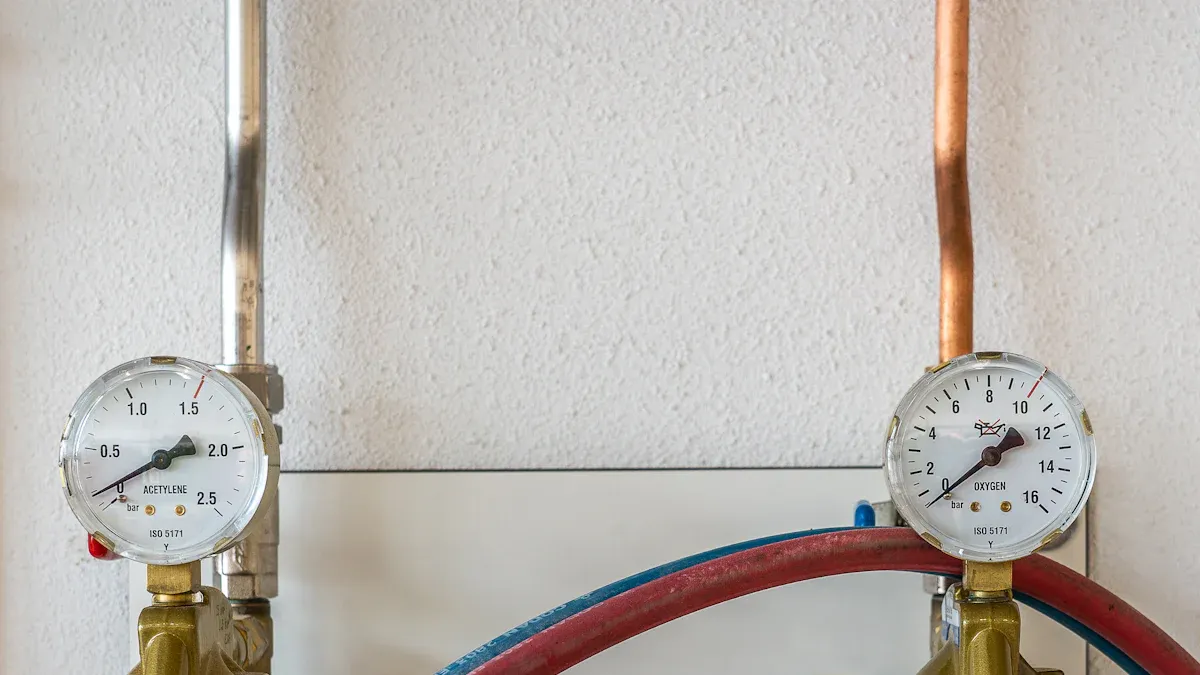
A hydraulic system features a straightforward design that supports reliability in demanding environments. While it includes components such as cylinders, power units, valves, filters, hoses, and fittings, the system consolidates power transmission and control into a single fluid circuit. This integration reduces the need for complex linkages and gears found in many mechanical systems. However, compared to electric actuators, which often consist of a motor, actuator, and a few cables, hydraulic systems generally have more moving parts. The presence of pumps, valves, and fluid power units increases the number of components, but the design remains robust and well-suited for heavy-duty applications.
Easier Troubleshooting and Repairs
Routine maintenance keeps a hydraulic system operating efficiently. Operators perform daily or weekly checks to monitor fluid levels, inspect for leaks, and verify system temperatures. Monthly maintenance includes examining hoses, filters, and fluid condition, while quarterly service involves replacing fluids and filters and inspecting actuators. Annual inspections focus on a full-system review to identify wear and ensure safety. The table below outlines typical maintenance intervals and tasks:
| Interval | Typical Maintenance Tasks |
|---|---|
| Daily | Check oil levels, temperature, leaks, tighten fittings, monitor pump noise, clean surfaces |
| Every 6 weeks | Inspect air filters, clean power unit, check hoses and connections, replace seals, record maintenance |
| Every 6 months | Send oil samples for analysis, check accumulator pressure, review service records |
| Annual | Drain and clean oil tank, flush piping, filter oil, test all hydraulic components |
Common failure modes include abrasion, temperature issues, and fluid contamination. Regular cleaning and oil analysis help prevent these problems. Proper training and adherence to safety protocols further reduce the risk of human error during repairs.
Versatility of a Hydraulic System
Wide Range of Applications
A hydraulic system demonstrates remarkable versatility across many industries. Its ability to deliver high power and precise control makes it essential for both heavy-duty and delicate tasks. Industries rely on hydraulic systems for a variety of reasons:
- Manufacturing uses hydraulics in metal forming, injection molding, and automated assembly lines.
- Construction equipment such as excavators, cranes, and bulldozers depend on hydraulic power for lifting and digging.
- Aerospace applications include aircraft landing gear, flight control surfaces, and braking systems.
- Oil and gas operations use hydraulics in drilling rigs, wellhead controls, and pipeline management.
- Automotive repair shops employ hydraulic jacks and lifts for vehicle maintenance.
- Mining operations benefit from hydraulic shovels and drills for efficient excavation.
- Material handling relies on hydraulic forklifts and conveyor systems.
- Emergency services use hydraulic rescue tools, such as the “Jaws of Life,” for rapid response.
These examples highlight the broad utility of hydraulic technology in both industrial and service sectors.
Adaptability to Different Environments
Hydraulic systems adapt to extreme conditions through advanced engineering and smart design. Manufacturers use dual-layer hose architecture to ensure flexibility and durability from -40°C to 120°C. Phase-change materials help regulate temperature, reducing fluid viscosity changes and extending service intervals. In field tests, these adaptations led to fewer cold-start failures and less unplanned maintenance.
| Adaptation Method | Description | Impact |
|---|---|---|
| Dual-layer hoses | EPDM and FKM layers resist UV, oil, and temperature extremes | Stable performance, longer hose life |
| Phase-change materials | Absorb and release heat to stabilize fluid temperature | Reduced viscosity variation, longer service |
| IoT-enabled monitoring | Real-time data on pressure, temperature, and flow | Early issue detection, improved reliability |
Material selection, advanced seals, and real-time monitoring further enhance adaptability. These features allow hydraulic systems to perform reliably in harsh environments, from arctic cold to desert heat.
A hydraulic system delivers unmatched power density, precise control, and smooth operation.
- Industry experts recognize its reliability, adaptability, and long operational life.
- Advancements in automation, IoT, and sustainable materials drive future growth.Understanding these benefits helps decision-makers select efficient solutions for evolving industrial needs.
FAQ
What industries benefit most from hydraulic systems?
Manufacturing, construction, aerospace, mining, and agriculture use hydraulic systems. These industries require high power, precise control, and reliable operation for heavy-duty equipment.
How often should a hydraulic system receive maintenance?
Operators should check fluid levels daily. Full inspections and fluid changes usually occur every six months or annually, depending on usage and environment.
Can hydraulic systems operate in extreme temperatures?
Hydraulic systems function in both hot and cold environments. Engineers select special hoses, seals, and fluids to ensure reliable performance across a wide temperature range.