What is the difference between a mooring winch and a windlass?
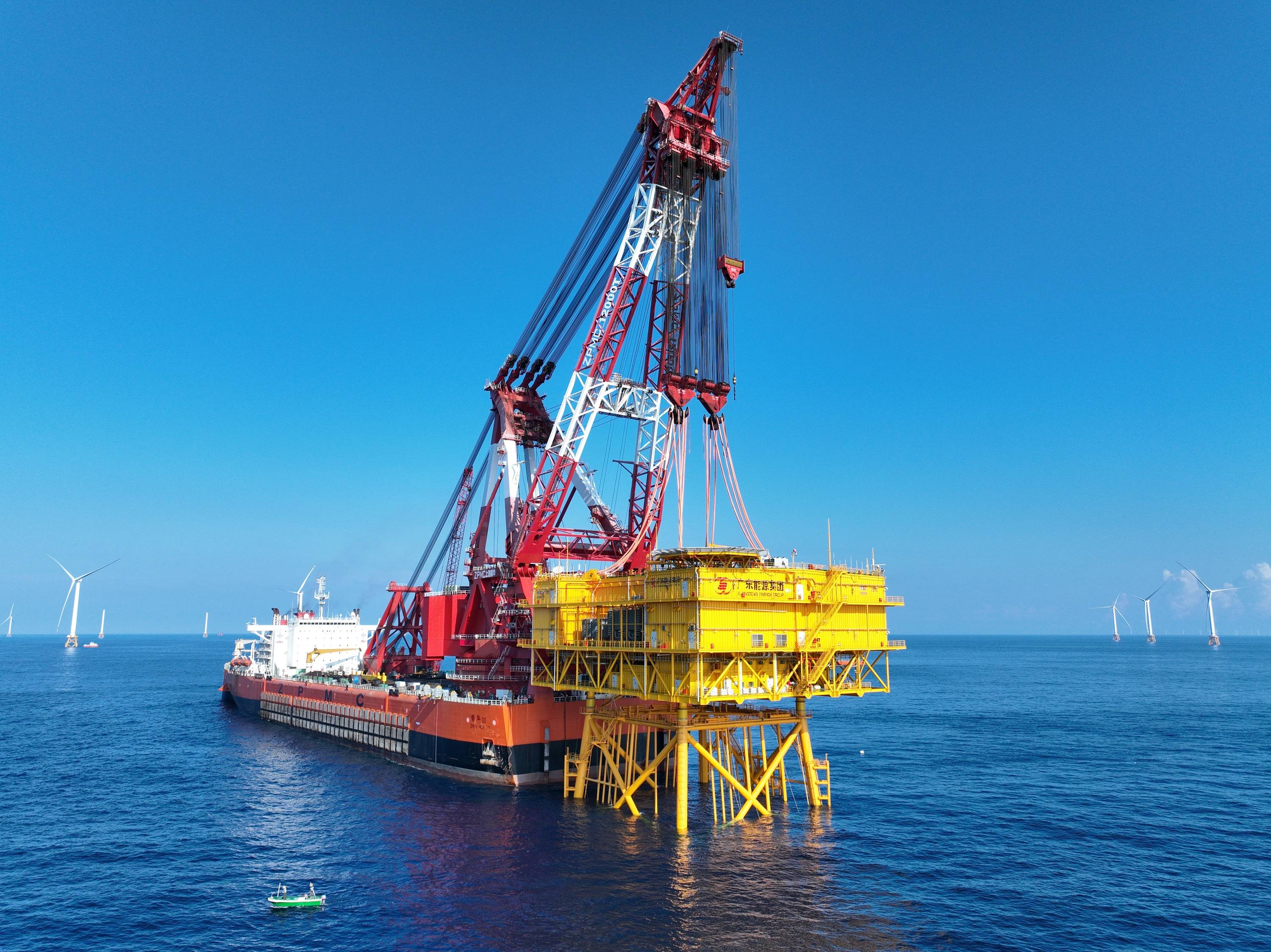
A mooring positioning winch plays a vital role in securing vessels, while a windlass focuses on lifting and lowering anchors. Notably, winches, including mooring positioning winches, account for over 40% of total sales in the marine deck machinery market, indicating their widespread use compared to windlasses, which hold approximately 25% market share.
Key Takeaways
- A mooring winch secures vessels to docks, while a windlass is used for handling anchors.
- Mooring winches enhance safety during docking by controlling mooring lines, while windlasses ensure precise anchor deployment.
- Choosing the right equipment depends on vessel size, operational needs, and safety features.
Definition of a Mooring Winch
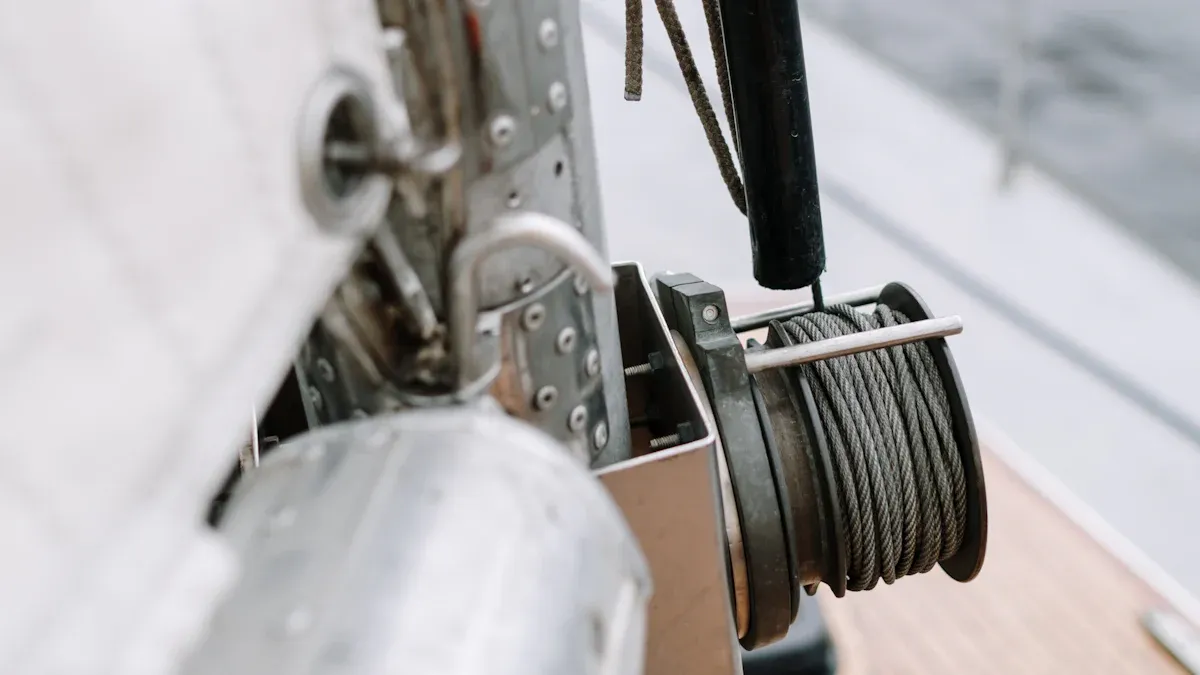
A mooring winch is a specialized piece of equipment used in maritime operations to secure vessels to docks or other fixed structures. According to maritime engineering standards, the mooring winch (MW) is defined as a portable general-purpose winch designed for various deployments. Key features of a mooring winch include:
- A single drum, direct pull type unit driven by a right-angle helical bevel gearbox.
- An integrated electrical controls panel and braking resistor for quick installation.
- A failsafe brake for parking, with dynamic braking managed through a variable frequency drive.
- The ability to accommodate various cable sizes, featuring a smooth drum and a PLC-controlled in-line levelwind for variable speeds.
- Its suitability for the deployment and recovery of moorings and instrument strings.
The main components of a mooring winch include:
- Drum: The central cylindrical spool for managing mooring line deployment and retrieval.
- Brake System: Controls tension and release of the line for secure holding.
- Motor: Provides power to the winch, which can be electric, hydraulic, or pneumatic.
- Gearbox: Transfers power from the motor to the drum, ensuring efficient operation.
- Fairleads: Guides mooring lines to ensure proper alignment and load distribution.
- Foundation Frames: Fix the winches to the deck, maintaining stability and reducing vibrations.
Mooring winches come in various types, each serving specific functions within the shipping industry. The following table summarizes some common types of mooring winches:
| Type of Mooring Winch | Description |
|---|---|
| Mooring Winch | Used for mooring boats to fixed objects; helpful during loading/unloading and positioning. |
| Anchor Mooring Winch | Multifunctional; used for mooring, anchoring, or both, varying in size and form based on requirements. |
| Towing Winch | Assists in towing other boats; available in different configurations based on application needs. |
| Capstan | Suitable for smaller ships; can be installed below deck, serving similar functions to anchoring/mooring winches. |
Safety standards and certifications are crucial for mooring winches. Compliance ensures safe operation and reliability. Key requirements include:
| Requirement Type | Details |
|---|---|
| Minimum Render Point Values | Typically set between 60-80% of maximum brake holding capacity, with absolute minimums often specified (e.g., 30 tonnes). |
| Testing Frequency | Annual testing or after major maintenance is required to ensure compliance. |
| Documentation Standards | Comprehensive test reports must include vessel identification, test reason, winch details, calculations, test results, and signatures for legal traceability. |
Definition of a Windlass

A windlass is a crucial piece of equipment on a ship, primarily used for handling the anchor and its cable. It serves as a specialized type of winch designed specifically to raise and lower the anchor, making it an essential tool for maritime operations. According to maritime engineering standards, a windlass is defined as:
A windlass is a crucial piece of equipment on a ship, primarily used for handling the anchor and its cable. It is a type of winch that is specifically designed to raise and lower the anchor, making it an essential tool for maritime operations.
In addition, Merriam-Webster defines a windlass as:
A windlass is defined as a machine for hoisting or hauling, typically consisting of a horizontal barrel supported on vertical posts and turned by a crank so that the hoisting rope is wound around the barrel.
The main components of a windlass include:
- Gypsy/Wildcat: The toothed wheel that grips and moves the anchor chain.
- Brake System: Controls the speed of chain movement and prevents uncontrolled dropping of the anchor.
- Clutch Mechanism: Engages or disengages the windlass drum, allowing switching between powered and free-spool modes.
- Winch Unit: Provides the power to operate the system, which can be electric, hydraulic, or manual.
- Chain Wheel Drum: Where the anchor chain is stored when retrieved, designed to prevent chain kinking or tangling.
- Pawl Bar/Devil’s Claw: A safety device that secures the anchor chain and prevents accidental chain movement.
- Hawsepipe: Guides the chain during deployment and retrieval, protecting the deck edge from chain abrasion.
- Ancillary Components: Includes manual override systems, ventilation for chain lockers, protective covers, and safety guards.
Windlasses come in various types, each tailored for specific applications within the shipping industry. Some common types include:
- Yacht Windlass: Designed for yachts with advanced features.
- Horizontal Windlass: Compact design, ideal for smaller boats.
- Vertical Windlass: Efficient use of deck space, suitable for larger vessels.
- Other Variants: Includes manual, hydraulic, and capstan types, each with unique advantages.
Safety standards and certifications are vital for windlasses to ensure safe operation. Key requirements include:
- Calculations must demonstrate that the windlass prime mover can achieve the required hoisting speed, continuous duty pull, and overload capacity unless load testing is performed at the shop.
- Materials for torque-transmitting and load-bearing parts must comply with LR’s rules or an equivalent National or International Standard.
- Windlasses require inspection during fabrication by a Surveyor to ensure they conform to approved plans, including acceptance tests like no-load, load, and brake capacity tests.
- The design must minimize the risk of flooding in the chain locker or forecastle during bad weather.
Understanding the definition and components of a windlass is essential for maritime professionals, as it plays a critical role in ensuring safe and efficient anchoring operations.
Functions of a Mooring Winch
Mooring winches serve several critical functions in maritime operations. Their primary role involves securing vessels to docks or fixed structures. This function is essential for maintaining stability during loading and unloading processes. The following points highlight the key functions of a mooring winch:
- Securing vessels to docks or fixed structures.
- Controlling the tension and movement of mooring lines.
- Enhancing safety during mooring operations by reducing the risk of line failures.
- Automating the tightening and loosening of mooring lines to improve efficiency.
Mooring winches significantly contribute to vessel safety during docking and undocking. They provide the necessary force to maintain a stable position of the vessel, even in challenging sea conditions. Proper operation of these winches enhances safety and efficiency, reducing risks associated with towing large vessels. Regular inspection of line-handling equipment, including winches, is crucial to prevent mechanical failures.
- Regular inspection helps avoid accidents caused by equipment defects.
- Proper maintenance ensures equipment reliability, which is vital for the safety of workers and vessels during mooring operations.
Functions of a Windlass
A windlass serves several essential functions in maritime operations, particularly in anchor handling. Its design allows for efficient and safe management of anchors, which is crucial for vessel stability. The primary functions of a windlass include:
- Controlled Anchor Handling: The windlass enables precise deployment and retrieval of the anchor. This control ensures that the vessel remains stationary when needed, even in challenging conditions.
- Efficiency: It significantly reduces the time and physical effort required for anchoring. This efficiency is critical during docking or when navigating rough seas.
- Safety: By maintaining secure anchor positioning, the windlass prevents drift and enhances crew safety, minimizing the risk of accidents.
Different types of windlasses accommodate various anchor types, each designed to optimize performance. The following table summarizes how specific windlass types facilitate anchor handling:
| Anchor Type | Windlass Type | Description |
|---|---|---|
| Plow Anchor | Horizontal drum or gypsy-style | Designed to grip the anchor chain securely, allowing controlled raising and lowering. |
| Fluke Anchor | Vertical windlass with capstan | Facilitates vertical operation, providing a secure grip for easy handling of lightweight anchors. |
| Grapnel Anchor | Vertical or horizontal windlass | Equipped with a drum or gypsy to handle multiple flukes, enabling efficient retrieval and deployment. |
Understanding these functions helps maritime professionals select the appropriate windlass for their specific anchoring needs, ensuring safe and effective operations.
Key Differences
Understanding the key differences between a mooring winch and a windlass is essential for maritime professionals. The following table outlines their mechanical differences:
| Feature | Anchor Windlass | Mooring Winch |
|---|---|---|
| Primary Function | Designed for deploying and retrieving anchors. | Manages mooring lines for securing vessels. |
| Design Characteristics | Compact with gypsy wheels and warping heads. | Larger drums for substantial mooring line storage. |
| Installation | Mounted at the bow, space-efficient. | Installed at various locations, requires more space. |
| Operational Scenarios | Used during anchoring operations. | Activated during port arrivals/departures. |
| Special Features | May include capstan heads for occasional line handling. | Often includes load monitoring and automatic tension adjustment. |
The operational principles of these two devices also differ significantly:
- Windlasses focus on anchor handling, emphasizing vertical movement for heavy anchors and chains.
- They provide precise control for lowering and raising anchors, especially in challenging sea conditions.
- Mooring winches manage lines that secure vessels to docks or other ships, accommodating changes in tide and vessel movement.
Maintenance requirements further distinguish these devices:
- Regular inspections for both devices ensure safe operation. For mooring winches, operators should check equipment prior to mooring, inspect brake liners, and ensure a clear walkway.
- Windlasses require similar checks but emphasize the functionality of the gypsy and chain wheel drum.
By recognizing these differences, maritime professionals can select the appropriate equipment for their specific needs, enhancing safety and efficiency in operations.
Practical Applications of a Mooring Winch
Mooring winches play a crucial role in various maritime operations, enhancing safety and efficiency. Their applications extend across different scenarios, making them indispensable in the shipping industry. Here are some key practical applications:
- Port Operations: Mooring winches secure vessels during docking and undocking. They provide a reliable means of holding ships in place, which reduces risks during port operations.
- Cargo Handling: These winches enhance cargo handling by keeping vessels securely moored. This stability allows for efficient loading and unloading processes, minimizing delays.
- Adaptability: Mooring winches can adjust to accommodate various vessel types. This versatility ensures that they meet the specific needs of different maritime operations.
- Tidal and Weather Adaptation: Mooring winches allow for adjustments to maintain stable mooring under changing conditions. This capability is vital for ensuring vessel safety during adverse weather or tidal changes.
The following table summarizes how mooring winches improve efficiency in port operations:
| Aspect | Explanation |
|---|---|
| Safety | Provides a reliable means of securing vessels, reducing risks during port operations. |
| Efficiency | Enhances cargo handling, embarkation, and disembarkation by keeping vessels securely moored. |
| Adaptability | Can be adjusted for various vessel types, ensuring versatility in operations. |
| Tidal and Weather Adaptation | Allows for adjustments to maintain stable mooring under changing conditions. |
Practical Applications of a Windlass
Windlasses play a vital role in various maritime operations, particularly in anchor management. Their applications extend across different types of vessels, ensuring safe and efficient anchoring. Here are some key practical applications of a windlass:
- Anchoring Operations: Windlasses enable precise control during anchoring. They allow crews to deploy and retrieve anchors smoothly, which is crucial for maintaining vessel stability.
- Safety Enhancements: By securing anchors effectively, windlasses minimize the risk of drifting. This feature is essential for ensuring crew safety, especially in adverse weather conditions.
- Efficiency in Operations: Windlasses significantly reduce the time and effort required for anchoring. This efficiency is particularly beneficial during busy port operations or when navigating challenging waters.
The following table illustrates the types of vessels that commonly utilize windlasses and their specific anchoring needs:
| Vessel Type | Description |
|---|---|
| Long Distance Vessels | Commonly use all chain anchor lines. |
| Larger Vessels | Require more power and efficiency in anchoring. |
| Serious Offshore Cruising Boats | Prevalent use of windlasses for anchoring. |
Windlasses are particularly recommended for larger vessels and serious offshore cruising boats. These vessels benefit from the power and efficiency that horizontal windlasses provide. By understanding the practical applications of windlasses, maritime professionals can select the right equipment for their anchoring needs, ensuring safe and effective operations.
Mooring Positioning Winch Overview
Mooring positioning winches play a vital role in offshore operations. They are responsible for deploying and retrieving heavy anchor lines and mooring lines. These lines secure vessels and offshore structures, ensuring stability and safety during operations. The advanced technology in mooring positioning winches sets them apart from standard mooring winches.
| Feature | Mooring Positioning Winch | Standard Mooring Winch |
|---|---|---|
| Positioning Methods | Four, Six, Eight, Twelve | Typically Single Point |
| Drive Modes | Hydraulic, Diesel, Electric | Usually Electric |
| Control Options | Remote centralized control | Basic control options |
| Rope Length and Tension Display | Yes | No |
| Constant Tension Capability | Optional | Not available |
The advantages of using a mooring positioning winch in dynamic positioning systems are significant. These winches enhance safety during offshore operations by reducing the risks of collisions and equipment damage. They automate positioning, which improves efficiency and reduces manual workload.
| Advantage | Description |
|---|---|
| Increased Safety | Enhances safety during offshore operations by reducing risks of collisions and equipment damage. |
| Improved Efficiency | Automates positioning, reducing manual workload and increasing operational efficiency. |
| Environmental Protection | Maintains stable position, reducing potential environmental impacts and ensuring compliance. |
| Operational Flexibility | Allows for position maintenance in various conditions, maximizing productivity. |
| Cost Savings | Leads to long-term cost savings through enhanced efficiency and reduced downtime. |
Understanding the differences between a mooring winch and a windlass is crucial for selecting the right equipment for maritime operations. Key considerations include:
- Vessel Size and Weight
- Operational Environment
- Power Requirements
- Integration and Compatibility
- Safety Features
- Regulatory Compliance
Choosing the appropriate equipment enhances safety and operational efficiency, reducing risks associated with mooring operations.
| Benefit | Description |
|---|---|
| Space Efficiency | Combined winches optimize deck space, allowing for more cargo or equipment. |
| Cost Savings | Reduces overall operational expenses by eliminating separate winches and their maintenance costs. |
| Enhanced Safety | Advanced safety features reduce crew proximity to winches, improving safety during operations. |
By making informed decisions, maritime professionals can ensure safer and more efficient operations.
FAQ
What is the primary use of a mooring winch?
A mooring winch secures vessels to docks or fixed structures, enhancing stability during loading and unloading.
How does a windlass differ from a mooring winch?
A windlass primarily handles anchors, while a mooring winch manages mooring lines for securing vessels.
Can both devices be used on the same vessel?
Yes, many vessels utilize both mooring winches and windlasses for efficient anchoring and docking operations.