10 Industries Revolutionized by Low-Speed High-Torque Motors
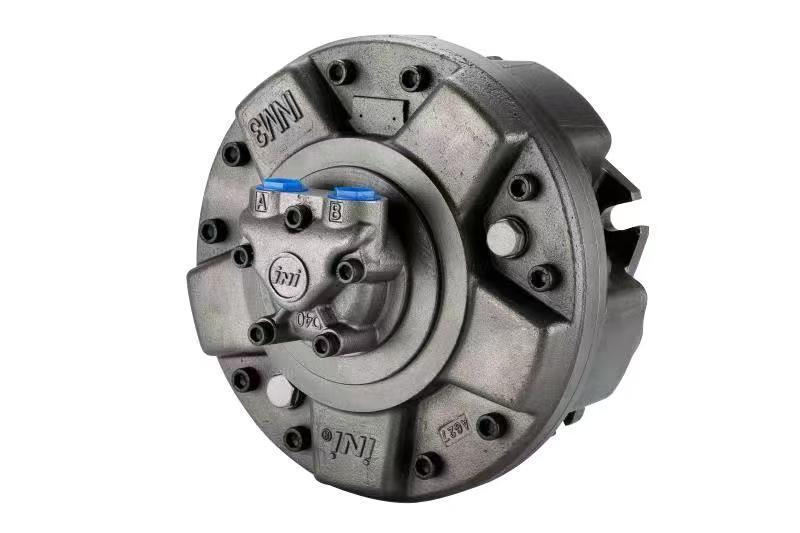
Low-speed high-torque motors are reshaping industrial processes by delivering unparalleled precision and efficiency. These motors, including the Hydraulic Motor – INM2 Series, optimize energy use and reduce operational costs. The induction motor market, valued at USD 20.3 billion in 2024, is projected to grow at a 6.4% CAGR, driven by advancements like high-efficiency windings. Industries now rely on these innovations to power automated systems, such as conveyor belts and robotic arms, while hydraulic motors enhance heavy-duty applications.
Key Takeaways
- Low-speed high-torque motors make factories work better. They give steady power to robots, save energy, and help machines last longer.
- These motors make conveyor systems safer and more reliable. They move heavy items smoothly and lower the chance of breakdowns.
- In green energy, these motors help wind turbines work well. They create power even when the wind is weak, making them more useful.
Manufacturing and Automation
Industrial Robots and Assembly Lines
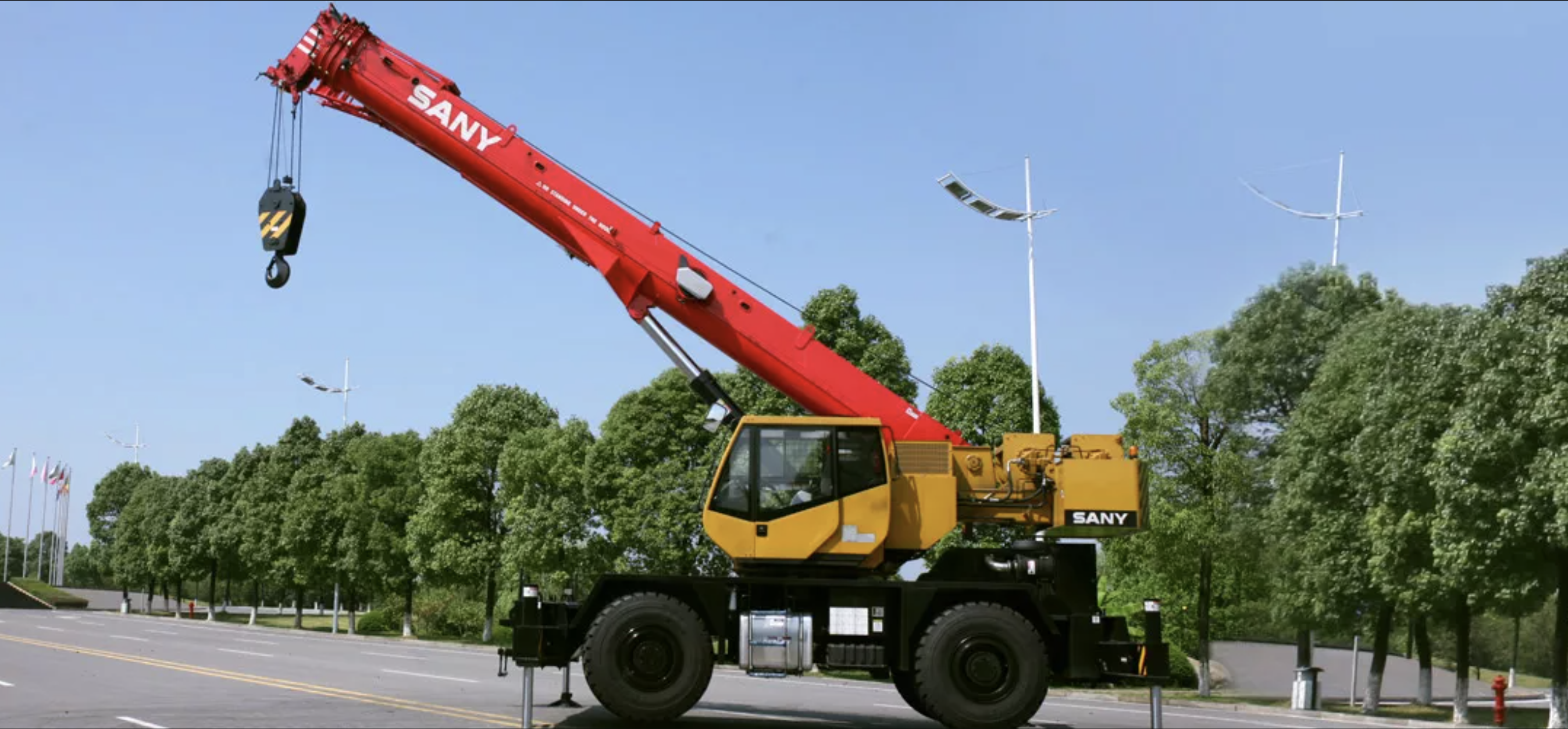
Low-speed high-torque motors have become indispensable in industrial robots and assembly lines. These motors provide the stability and precision required for repetitive tasks, such as welding, painting, and assembling components. Their ability to deliver high torque at low speeds ensures smooth operation, even under heavy loads. This feature minimizes wear and tear, extending the lifespan of robotic systems.
Did you know? Low-speed high-torque motors enhance robotic precision by maintaining consistent torque levels, which is critical for delicate operations like micro-assembly.
Performance metrics highlight their impact on manufacturing efficiency. For example:
| Metric | Description |
|---|---|
| High Torque at Low Speeds | Enables stable operation at low speeds without damage. |
| Enhanced Precision | Improves accuracy in robotic applications due to stable torque. |
By integrating these motors, manufacturers achieve higher accuracy and reduced energy consumption, making production lines more sustainable.
Conveyor Systems for Heavy Loads
Conveyor systems in manufacturing facilities often handle heavy materials, requiring robust and reliable motors. Low-speed high-torque motors excel in these applications by providing the necessary power to move heavy loads without compromising efficiency. Their design reduces energy consumption by up to 20%, as seen in case studies of manufacturing systems.
| Application | Efficiency Improvement | Example Case Study |
|---|---|---|
| Manufacturing Systems | 10% to 20% energy savings | Gunderson Lutheran’s solar water system |
These motors also improve safety by ensuring smooth and controlled movement of materials. This reduces the risk of mechanical failures and accidents, making them a preferred choice for modern conveyor systems.
Renewable Energy
Wind Turbine Efficiency
Low-speed high-torque motors have significantly enhanced the performance of modern wind turbines. These motors enable turbines to operate efficiently at lower wind speeds, expanding their operational range and increasing energy output. For instance, the SWEPT wind turbine demonstrates remarkable advancements. Its cut-in wind speed is just 1.7 m/s, compared to 2.7 m/s and 3.0 m/s for earlier gear-driven prototypes. This improvement allows the turbine to generate power even in regions with minimal wind activity. Additionally, the SWEPT turbine operates effectively within a range of 1.7–10 m/s, outperforming older models that functioned optimally only between 2.7–5.5 m/s.
The integration of low-speed high-torque motors also boosts peak efficiency. The SWEPT turbine achieves approximately 21% efficiency at a rated wind speed of 4.0 m/s, maintaining 60–70% efficiency relative to larger turbines, even at lower speeds. These advancements reduce energy waste and maximize power generation, making wind energy more viable in diverse environments.
Hydropower Generation
Hydropower systems benefit immensely from the precision and reliability of low-speed high-torque motors. These motors ensure consistent torque delivery, which is essential for maintaining steady water flow through turbines. This stability enhances energy conversion efficiency and reduces mechanical stress on the system. In small-scale hydropower plants, these motors enable operations at variable water flow rates, ensuring optimal performance even during seasonal fluctuations.
Moreover, the durability of these motors minimizes maintenance requirements, lowering operational costs for hydropower facilities. Their ability to handle high loads without compromising efficiency makes them indispensable for both large-scale dams and micro-hydropower installations. By incorporating these motors, the hydropower sector achieves greater sustainability and reliability, contributing to the global shift toward renewable energy.
Mining and Heavy Equipment
Excavation Machinery
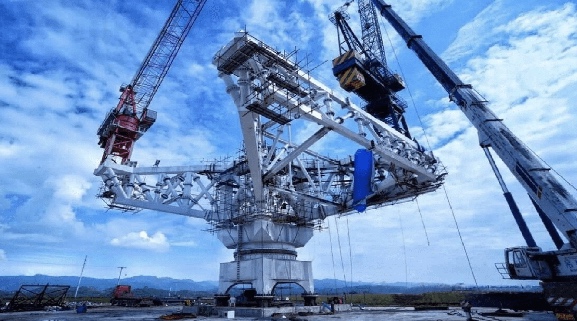
Low-speed high-torque motors have transformed excavation machinery, enabling mining operations to handle extreme loads with precision and reliability. These motors deliver consistent power at low speeds, which is critical for heavy-duty equipment like excavators and draglines. Their ability to generate high torque ensures smooth operation even under challenging conditions, such as digging through dense rock or compacted soil.
Operational performance metrics highlight their impact on excavation machinery:
| Metric | Value |
|---|---|
| Operating Speed | Up to 15 rpm |
| Operating Torque | 20,000 lb-ft (27.1 kN-m) |
| Maximum Torque | 22,000 lb-ft (29.8 kN-m) |
| Operating Pressure | 3,000 psi (20,670 kPa) |
| Hydraulic Thrust | Up to 100,000 lb (444 kN) |
These capabilities reduce mechanical stress on equipment, extending its lifespan and minimizing downtime. By integrating these motors, mining companies achieve higher productivity and lower maintenance costs, making operations more efficient and sustainable.
Ore Processing Systems
In ore processing systems, low-speed high-torque motors play a pivotal role in powering crushers, grinders, and conveyors. Their ability to maintain consistent torque at low speeds ensures precise material handling, which is essential for breaking down ores into smaller, processable sizes. This precision reduces energy waste and enhances the efficiency of downstream processes, such as flotation and smelting.
These motors also excel in handling variable loads, a common challenge in ore processing. Their robust design allows them to operate under fluctuating conditions without compromising performance. This reliability improves throughput and reduces the risk of equipment failure, ensuring uninterrupted operations in mining facilities.
By adopting low-speed high-torque motors, the mining industry not only boosts operational efficiency but also reduces its environmental footprint. These motors enable energy-efficient processes, aligning with the industry’s push toward sustainability.
Agriculture
Planting and Harvesting Equipment
Low-speed high-torque motors have revolutionized planting and harvesting equipment by enhancing efficiency and reducing operational costs. These motors provide the precise torque control needed for agricultural machinery to perform delicate tasks, such as cutting crops or planting seeds, without damaging them. Their ability to operate at low speeds ensures smooth and consistent performance, even in challenging field conditions.
For example, a prototype cabbage harvester equipped with a low-speed high-torque motor demonstrated remarkable efficiency. The motor’s power requirements ranged from 739.97 W to 872.79 W, depending on the cutting speed. At an optimized cutting speed of 590 rpm, forward speed of 0.25 m/s, and cutting height of 1 mm, the harvester achieved minimal power consumption. This design not only reduced labor requirements but also made the equipment more accessible to small-scale farmers. The maximum instantaneous power consumption of 948.53 W further highlighted the motor’s capability to handle peak demands without compromising performance.
Crop Processing Machinery
Crop processing machinery benefits significantly from the adaptability and efficiency of low-speed high-torque motors. These motors simplify operations by reducing the need for complex gear systems, which are often required in traditional thermal motor setups. By directly adapting motor output to user demands, they minimize energy losses and improve overall efficiency.
Transmission systems in conventional machinery can lose between 7% and 16% of energy during operation. Low-speed high-torque motors address this issue by delivering power directly to the processing components, eliminating unnecessary energy waste. This streamlined approach not only enhances performance but also reduces maintenance requirements, making the machinery more reliable and cost-effective. Farmers and agricultural businesses can now process crops more efficiently, contributing to higher productivity and sustainability in the sector.
Marine and Offshore
Vessel Propulsion Systems
Low-speed high-torque motors have revolutionized vessel propulsion systems by delivering unmatched efficiency and reliability. These motors provide the power and torque necessary for large vessels to operate smoothly, even under challenging marine conditions. Their ability to function at both high and low speeds makes them ideal for diverse applications, from cargo ships to naval vessels.
Key features of these motors include compact configurations with flange-mounted designs and self-lubricating bearings. This design minimizes maintenance requirements and ensures long-term durability. Additionally, their integration with multi-channel VDM25000 inverter systems enhances redundancy, ensuring uninterrupted operation even in harsh environments. The motors also support quiet mode capabilities, reducing noise pollution—a critical factor for naval and passenger vessels.
| Feature | Description |
|---|---|
| Power Range | 5-40MW, proven on up to 80MW propulsion systems |
| Speed Range | Up to 200rpm |
| Built-in Redundancy | Combined with multi-channel VDM25000 inverter system |
| Proven Technology | Proven in harsh environments, specific for naval applications |
| Compact Configuration | Flange mounted, self-lubricating bearings |
| Operation | High and low speed, high torque operation |
| Noise Level | Integrated operation with VDM25000 converter for high power density and quiet mode capability |
These motors also excel in dynamic performance, enabling rapid speed changes and precise maneuvering. Their ability to support long operations at zero or slow speeds makes them indispensable for modern marine applications.
Subsea Drilling Operations
Subsea drilling operations demand robust and reliable equipment capable of withstanding extreme underwater conditions. Low-speed high-torque motors meet these demands by providing consistent power and torque for drilling rigs and subsea tools. Their precision ensures accurate drilling, even in deep-sea environments where pressure and temperature fluctuations are significant.
These motors enhance operational efficiency by supporting variable speed control, which is essential for adapting to different drilling conditions. Their compact and durable design reduces the risk of mechanical failures, ensuring uninterrupted operations. Additionally, their energy efficiency minimizes fuel consumption, aligning with the industry’s push toward sustainability.
By integrating low-speed high-torque motors, the marine and offshore sector achieves greater reliability, efficiency, and environmental compliance. These advancements position the industry for long-term growth and innovation.
Electric Vehicles (EVs)
Commercial EV Performance
Low-speed high-torque motors are transforming the commercial electric vehicle (EV) market by enhancing efficiency and sustainability. These motors allow EVs to operate in their high-efficiency range for extended periods, reducing energy consumption and improving overall performance. When paired with advanced transmission systems, they maintain optimal functionality across varying speeds and loads. This capability is particularly beneficial for urban mobility solutions, where stop-and-go traffic demands consistent performance.
The low-speed vehicle market reflects this shift, driven by technological advancements and evolving consumer needs. These vehicles address congestion and environmental concerns, aligning with the efficiency goals of commercial EVs. Market data highlights this growth:
| Year | Market Size (USD Billion) | CAGR (%) |
|---|---|---|
| 2023 | 15.63 | N/A |
| 2024 | 18.25 | N/A |
| 2032 | 63.21 | 16.80 |
Key factors contributing to this trend include growing investments in EV technology, rising demand for energy-saving motors, and increased EV sales due to their low power requirements and high efficiency.
Heavy-Duty Electric Trucks
Heavy-duty electric trucks rely on low-speed high-torque motors to meet the demands of challenging operations. These motors deliver consistent torque across various speed ranges, ensuring reliable performance during critical tasks such as launching and climbing. Maximum torque is typically achieved at lower speeds, making them ideal for heavy-duty applications.
Operational data demonstrates their effectiveness:
- Consistent torque delivery enhances performance during demanding operations.
- Peak efficiency occurs within a specific speed range, optimizing energy use.
- For example, in motors with a speed range of 0-20,000 RPM, maximum torque is delivered between 0-5,000 RPM.
These motors also improve energy efficiency, reducing operational costs and environmental impact. By integrating low-speed high-torque motors, manufacturers ensure that heavy-duty electric trucks remain powerful, reliable, and sustainable.
Aerospace
Ground Support Equipment
Low-speed high-torque motors have become essential in aerospace ground support equipment (GSE). These motors provide the power and precision required for tasks such as towing aircraft, operating hydraulic lifts, and powering auxiliary systems. Their ability to deliver high torque at low rotational speeds ensures smooth and reliable operation, even under heavy loads.
Key performance metrics highlight their suitability for GSE applications:
- Output power ranges from 400 to 700+ horsepower.
- Rotational speeds remain between 250 and 400 RPM.
- Torque output reaches 5,000 to 15,000+ ft-lb, with torque densities of 20-30+ ft-lb/lb.
Gearmotors, often integrated with these motors, further enhance torque output by utilizing effective gear ratios. This combination allows smaller motors to achieve the high torque levels necessary for demanding aerospace tasks. Additionally, the high specific power of these motors improves overall system efficiency, reducing energy consumption and operational costs.
Satellite Deployment Mechanisms
Satellite deployment mechanisms rely on low-speed high-torque motors for precise and controlled operations. These motors ensure the safe release of satellites into orbit by delivering consistent torque and maintaining stability during deployment. Their ability to operate at low speeds minimizes the risk of mechanical errors, which is critical in the high-stakes environment of space exploration.
The compact design of these motors makes them ideal for space applications, where weight and size constraints are significant. Their high efficiency and reliability reduce the likelihood of system failures, ensuring mission success. By integrating these motors, aerospace engineers achieve greater precision and dependability in satellite deployment systems.
Construction
Cranes and Hoists
Low-speed high-torque motors have transformed cranes and hoists by delivering exceptional power and precision. These motors provide the high starting torque necessary for lifting heavy loads, ensuring smooth and controlled operation. Unlike internal combustion engines, which struggle with low-speed applications, electric motors excel in driving hydraulic pumps and maintaining efficiency during demanding tasks.
| Motor Type | Starting Torque Advantage | Efficiency Benefits |
|---|---|---|
| Electric Motors | Several times higher | Better for driving hydraulic pumps |
| Internal Combustion Engines | Lower starting torque | Less efficient in low-speed applications |
Modern cranes equipped with these motors benefit from advanced technologies like the Coil Driver™, which optimizes torque and speed in real-time. This innovation allows operators to switch between low-speed, high-torque mode for heavy lifting and high-speed, low-torque mode for faster operations. By enabling smarter energy consumption, these motors reduce operational costs and improve performance.
Tip: Low-speed high-torque motors enhance safety by providing precise control, minimizing the risk of sudden movements during lifting operations.
Concrete Mixing Systems
Concrete mixing systems rely on low-speed high-torque motors to ensure consistent and efficient mixing. These motors deliver the steady torque required to rotate heavy mixing drums, even when filled with dense materials. Their ability to operate at low speeds prevents overheating and mechanical stress, extending the lifespan of the equipment.
The Coil Driver™ technology further enhances mixing systems by adapting torque and speed to the load. This feature ensures uniform mixing, reducing energy waste and improving the quality of the concrete. Operators can achieve better results while consuming less power, making these motors ideal for sustainable construction practices.
Unordered List of Benefits:
- Precise torque control ensures uniform mixing.
- Reduced energy consumption lowers operational costs.
- Enhanced durability minimizes maintenance requirements.
Low-speed high-torque motors have become indispensable in construction, driving innovation in cranes, hoists, and concrete mixing systems. Their efficiency and reliability continue to redefine industry standards.
Healthcare and Medical Devices
Surgical Robots
Low-speed high-torque motors have become a cornerstone in the development of surgical robots, enabling precise and reliable performance during complex medical procedures. These motors provide the stability and control required for delicate operations, such as minimally invasive surgeries. Their ability to deliver consistent torque at low speeds ensures smooth and accurate movements, reducing the risk of errors.
Modern surgical robots utilize servo motors to enhance patient safety and improve operational efficiency. These motors automate critical tasks, such as instrument positioning and tissue manipulation, minimizing the need for manual intervention. Key benefits include:
- Enhanced precision in robotic arms, ensuring accurate incisions and sutures.
- Reduced workload for surgeons, allowing them to focus on decision-making.
- Stable power output, as seen in the HS-5485HB servo motor, which ensures rapid response during procedures.
By integrating these motors, surgical robots achieve unparalleled accuracy and reliability, transforming the landscape of modern healthcare.
Rehabilitation Equipment
Rehabilitation equipment has also benefited significantly from the integration of low-speed high-torque motors. These motors power advanced systems, such as robotic exoskeletons, which assist patients in regaining mobility and strength. Their compact design and high torque output make them ideal for supporting repetitive and controlled movements during therapy sessions.
Clinical performance statistics highlight the efficiency of these motors in rehabilitation devices:
| Parameter | Description |
|---|---|
| Sensors | More than 80 sensors record measurements 2,000 times per second. |
| Range of Motion | Precise measurement of the patient’s range of motion capabilities. |
| Force Generation | Assessment of the force generated by the patient during rehabilitation exercises. |
| Number of Repetitions | Tracking the number of repetitions performed by the patient, indicating engagement and progress. |
| Motor Type | EC Flat motors provide high torque output in a compact size suitable for the exoskeleton. |
These features allow therapists to monitor patient progress in real-time, ensuring personalized and effective treatment plans. By leveraging the capabilities of low-speed high-torque motors, rehabilitation equipment delivers consistent performance, improving patient outcomes and accelerating recovery.
Food and Beverage Processing
Packaging Automation
Packaging automation in the food and beverage industry has undergone significant advancements with the integration of low-speed high-torque motors. These motors enhance the efficiency and reliability of bottling and packaging systems, ensuring faster cycle times and reduced production costs. Smart BLDC motors equipped with gearboxes and encoders optimize energy use while providing flexibility for diverse packaging applications. Their high-speed operation accelerates shipping processes, ensuring fresh products reach consumers promptly.
Modern packaging lines benefit from linear motors, which replace traditional screw drives. This innovation improves positioning accuracy and minimizes operational expenses. Reliable drive components further enhance system availability, maintaining consistent cycle times critical for large-scale operations. Intelligent drive solutions enable real-time monitoring, allowing operators to adjust motor performance for optimal efficiency. These features collectively streamline packaging processes, making them more cost-effective and sustainable.
High-Torque Mixers
High-torque mixers powered by low-speed high-torque motors have revolutionized food and beverage processing. These mixers deliver consistent torque, ensuring uniform blending of ingredients, even in dense or viscous mixtures. Their ability to operate at low speeds prevents overheating and mechanical stress, extending equipment lifespan and reducing maintenance needs.
Advanced motor technologies, such as adaptive torque control, improve mixing precision. This capability ensures consistent product quality while minimizing energy consumption. Operators can adjust speed and torque based on the specific requirements of each batch, enhancing flexibility in production. High-torque mixers also support large-scale operations, handling substantial volumes without compromising performance. Their efficiency and reliability make them indispensable for modern food processing facilities.
Low-speed high-torque motors continue to revolutionize industries by enhancing efficiency, reducing costs, and enabling precise power delivery. Their compact design simplifies integration, while customization options ensure adaptability across sectors. From mining to healthcare, these motors drive innovation, making them indispensable for sustainable industrial progress in 2025 and beyond.
Key Takeaway: Their versatility and efficiency position them as a cornerstone of modern industrial advancements.
FAQ
What makes low-speed high-torque motors unique?
These motors deliver high torque at low rotational speeds, ensuring precise power delivery. Their efficiency and durability make them ideal for demanding industrial applications.
Can low-speed high-torque motors reduce energy consumption?
Yes, these motors optimize energy use by minimizing waste during operation. Their design ensures consistent performance while lowering overall power requirements.
Which industries benefit the most from these motors?
Industries like manufacturing, renewable energy, mining, and healthcare rely heavily on these motors for their precision, reliability, and energy efficiency.