Durable Hydraulic Winch Solutions for Middle East’s Heavy-Duty Deck Machinery
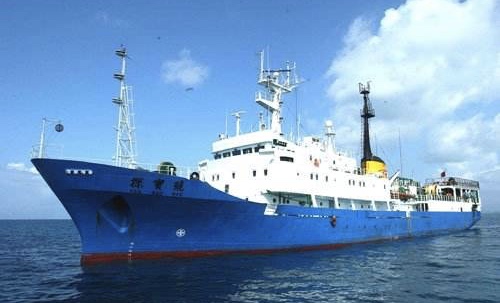
Heavy-duty deck machinery in the Middle East demands winch solutions that deliver reliability and strength. Operators face high temperatures, abrasive sand, and intense humidity. The table below highlights the growing need for specialized winches in these sectors, driven by oil, gas, and marine industries.
| Metric | Value/Projection | Relevance to Middle East Conditions |
|---|---|---|
| Global Hoisting Winches Market 2023 Value | USD 2.5 billion | Indicates large and growing market for winches globally |
| Projected Market Value by 2032 | USD 4.5 billion | Shows strong growth, implying increasing demand |
| Compound Annual Growth Rate (CAGR) | 6.5% | Reflects steady market expansion driven by heavy industries |
| Middle East & Africa Growth Outlook | Moderate growth | Driven by oil & gas and construction sectors requiring durable winches |
| Key Industrial Sectors in Region | Oil & Gas, Marine, Construction | Sectors with harsh environmental conditions needing hydraulic winches |
| Environmental Challenges | Extreme temperatures, marine environments | Necessitate specialized, durable hydraulic winches |
Key Takeaways
- Hydraulic winches built with strong materials and protective coatings resist extreme heat, sand, and humidity, ensuring reliable operation in the Middle East’s tough environments.
- Customizable winch systems allow operators to match load capacity and controls to specific needs, improving efficiency and safety across various heavy-duty applications.
- Using advanced accessories and regular maintenance reduces breakdowns and extends winch lifespan, helping operators maintain smooth and safe deck machinery performance.
Winch Performance in Harsh Middle East Environments

Environmental Resistance and Material Strength
Heavy-duty deck machinery in the Middle East faces relentless environmental stress. High temperatures, abrasive sand, and humidity challenge every component. Manufacturers address these conditions by selecting advanced materials and protective technologies.
- Marine-grade epoxy paints and stainless steel components resist corrosion in offshore and marine environments.
- Explosion-proof technology ensures safety in hazardous atmospheres, such as oil and gas platforms.
- Hydraulic fluids maintain stability under high pressure and extreme temperature swings, supporting reliable subsea performance.
- High-strength composites and specialized alloys reduce structural stress on vessels and minimize maintenance needs.These innovations enhance durability and safety, allowing winch systems to operate efficiently despite harsh surroundings.
High Load Capacity and Operational Efficiency
Operators in the Middle East require winch solutions that handle massive loads and deliver consistent performance. Modern hydraulic winches support load capacities ranging from 5 tons to 500 tons, making them suitable for the region’s largest deck machinery. Safety factors, such as a 5:1 ratio on winch drums, guarantee continuous duty and secure operation.
Advanced design methods, including computer-aided design and finite element analysis, optimize each winch for maximum efficiency. Closed-loop hydraulic systems provide precise control, while high-torque, low-speed motors and efficient pumps ensure reliable power delivery. Automatic multi-disc brakes and load control valves add another layer of safety.
These features have proven successful in marine and offshore applications, such as cranes with lift capacities up to 100 tons and self-elevating rigs up to 325 tons. Corrosion protection measures, like galvanized metals and marine coatings, extend service life. Improved oil filtration systems further reduce downtime and maintenance costs.
Corrosion Protection and Maintenance Reduction
Corrosion remains a major threat to deck machinery in the Middle East, especially in marine and offshore settings. Studies by Andrade & Alonso, Melchers, Jones, Koch et al., and Schleich et al. confirm the effectiveness of advanced corrosion protection measures. Cathodic protection, both galvanic and impressed current, prevents corrosion in submerged or buried metallic structures.
Digital monitoring systems, including smart sensors and real-time data acquisition, enable early detection of corrosion. Predictive maintenance becomes possible, reducing the frequency and cost of interventions. Life cycle assessments show that investing in advanced materials and monitoring technologies lowers long-term maintenance costs and extends equipment service life.
Materials such as stainless steel alloys, titanium alloys, and fiber-reinforced polymers improve resistance to corrosion. Nanotechnology introduces self-healing capabilities, further extending service intervals. Digital tools, like electrochemical sensors and predictive analytics, allow maintenance teams to schedule interventions proactively. Risk-based inspection strategies focus resources on high-risk areas, improving safety and reducing costs.
Innovative design techniques, including corrosion-resistant fasteners and prefabricated components, also help minimize corrosion risk. Building Information Modelling supports planning and maintenance scheduling, ensuring that winch systems remain reliable and efficient throughout their operational life.
Key Features and Customization of Durable Hydraulic Winch Solutions
Robust Construction and Engineering
Manufacturers design hydraulic winch systems to withstand the most demanding environments. Engineers select high-strength steel, marine-grade alloys, and advanced composites to ensure structural integrity. These materials resist deformation and fatigue, even under continuous heavy loads. Precision machining and rigorous quality control further enhance reliability.
Operators in the Middle East benefit from winch systems that maintain performance despite exposure to sand, saltwater, and extreme heat.
Protective coatings, such as epoxy paints and galvanization, shield critical components from corrosion. Sealed bearings and reinforced housings prevent ingress of contaminants, reducing wear and extending service life. Hydraulic circuits use robust seals and hoses to prevent leaks and maintain consistent pressure. These engineering choices guarantee that winch systems deliver dependable operation in harsh conditions.
Adaptability and Customization Options
Hydraulic winch solutions offer remarkable adaptability to diverse operational requirements. Manufacturers tailor each system to match specific load capacities, mounting configurations, and control preferences.
A notable example involves a Manitou Telehandler equipped with a slow hydraulic winch. Engineers applied diagnostic techniques and hydraulic system analysis to optimize performance for unique jobsite demands. They adjusted flow rate, pressure, and communication protocols to ensure seamless integration. This approach demonstrates how winch systems adapt to different vehicle weights and application needs.
Hydraulic winches often leverage the vehicle’s power steering pump, enabling continuous operation and submersibility. Their design provides greater pulling power compared to electric alternatives. Customization extends to drum size, rope type, and control interfaces, allowing operators to select features that best suit their tasks.
Custom solutions help operators maximize efficiency and safety, whether working on offshore platforms, construction sites, or specialized vehicles.
Essential Accessories for Enhanced Winch Performance
Accessories play a vital role in enhancing winch performance and safety. Operators frequently use winch dampers, which absorb kinetic energy if a line snaps, reducing injury risk. Snatch blocks distribute load and decrease strain on the winch, improving mechanical efficiency and extending equipment lifespan.
- Routine inspection and maintenance of cables, drums, gears, and hydraulic connections prevent unexpected failures.
- Service kits, such as those containing marine-grade bearings, seals, and lubrication grease, support reliable operation in corrosive environments.
- Hydraulic winches, powered by the vehicle’s hydraulic system, allow for longer operation without overheating. This feature proves essential for heavy-duty applications in challenging terrains.
Proper maintenance of hydraulic fluid and connections ensures consistent performance. Accessories designed for routine upkeep, such as high-quality seals and lubricants, help maintain efficiency and prolong the lifespan of winch systems.
Operators who invest in the right accessories experience fewer breakdowns and greater operational confidence, even in the most demanding marine and industrial settings.
Real-World Winch Applications and Selection Guidance
Application Examples in Middle East Deck Machinery
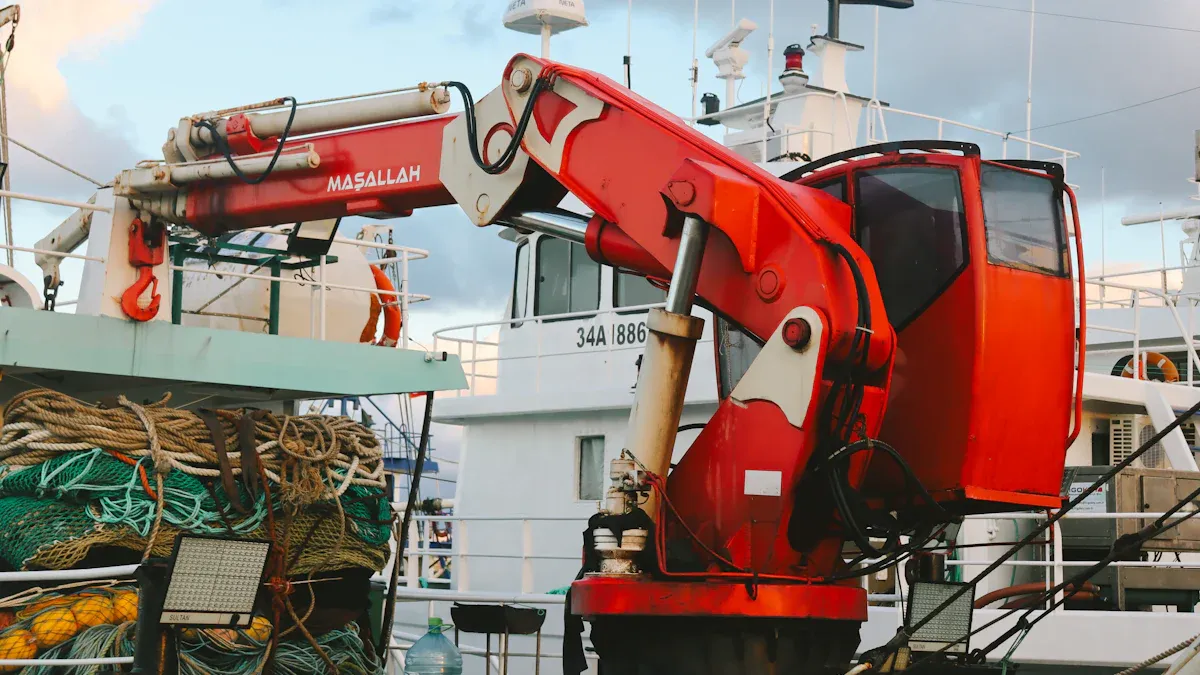
Heavy-duty deck machinery in the Middle East relies on hydraulic winches for a range of demanding tasks. Offshore platforms use winches for anchor handling, mooring, and subsea lifting. Construction vessels depend on these systems for pile driving and heavy equipment positioning. In port operations, winches support cargo handling and barge mooring, ensuring smooth and safe movement of goods. Operators in oil and gas fields utilize winches for pipeline installation and maintenance, where reliability and strength are critical.
Factors for Selecting the Right Winch
Selecting the right hydraulic winch system requires careful consideration of safety, compatibility, and efficiency. Industry standards recommend choosing cables with a safety factor of at least 1.5 times the maximum load. Environmental conditions, such as marine or industrial settings, influence material and design choices. Studies show a 90% reduction in overload incidents when operators use proper force monitoring. Advanced hydraulic technology can deliver up to 30% energy savings. Performance metrics, including lifting and pulling ratings, operational pressure, and fuel savings, guide the selection process. Calculating line pull capacity involves accounting for friction and load weight, with recommendations to increase capacity by 25-50% for challenging conditions. Real-time load indicators and certified equipment further enhance operational reliability.
Importance of Partnering with Trusted Winch Suppliers
Partnering with experienced winch suppliers offers significant advantages for operators in the Middle East.
- Leading manufacturers deliver durable, reliable winches designed for harsh environments.
- Advanced features, such as IoT-enabled predictive maintenance, reduce downtime and operational costs.
- Strategic collaborations and product diversification strengthen market presence and customer trust.
- Suppliers prioritize environmental and regulatory compliance, supporting sustainable operations.
- Industry reports highlight innovation, safety, and technological advancements as key benefits from established manufacturers.
Investing in durable hydraulic solutions for heavy-duty deck machinery remains essential in the Middle East. Operators benefit from reliable performance, low maintenance, and stable operation in extreme environments.
- Minimal noise and robust power support demanding applications.
- Customizable systems with smart diagnostics improve efficiency.
- Comprehensive after-sales support and global certifications ensure long-term value.
FAQ
What makes hydraulic winches suitable for Middle East environments?
Hydraulic winches use robust materials and advanced coatings. These features help them resist extreme heat, sand, and humidity common in Middle East operations.
How often should operators perform maintenance on hydraulic winches?
Operators should inspect winches monthly. Regular checks ensure optimal performance and extend equipment lifespan in demanding conditions.
Can hydraulic winches be customized for specific deck machinery?
Manufacturers offer customization options. They tailor load capacity, drum size, and control systems to match unique operational requirements.