How Mining Companies Can Source Reliable Hydraulic Winches from China?

Sourcing reliable hydraulic winches from China is achievable through strategic planning and thorough due diligence. This guide outlines essential steps for mining companies to secure high-quality equipment. The global market for hydraulic winches in mining reached approximately USD 264 million in 2024, underscoring its importance. Companies must focus on ensuring performance, safety, and compliance with industry standards, especially when selecting a mining equipment hydraulic motor supplier for an underground mining hydraulic winch.
Key Takeaways
- Mining companies must clearly define their needs and technical specifications for hydraulic winches before looking for suppliers.
- It is important to carefully check Chinese manufacturers’ reputations, credentials, and experience in mining equipment.
- Companies should use strong quality checks and good logistics plans to make sure hydraulic winches are delivered and work well.
Defining Requirements and Identifying a Reliable Mining Equipment Hydraulic Motor Supplier
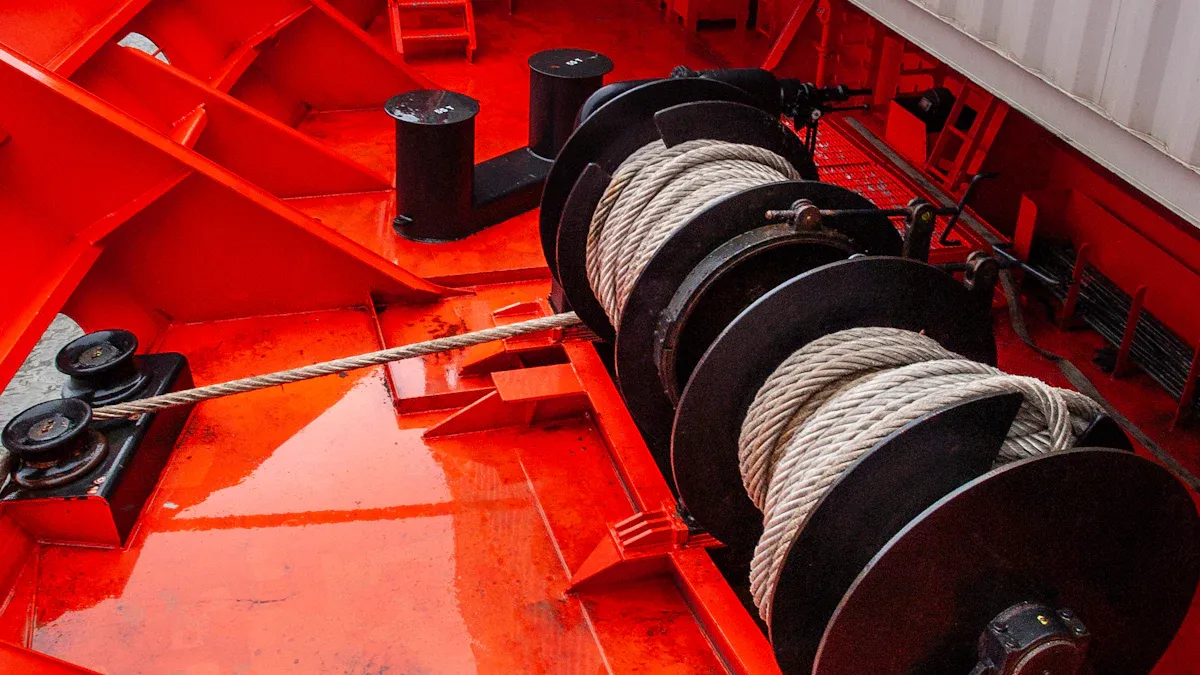
Mining companies must first clearly define their needs before they can successfully source hydraulic winches. This initial phase involves a detailed assessment of operational demands, environmental conditions, and regulatory compliance. A thorough understanding of these factors helps companies identify a suitable mining equipment hydraulic motor supplier.
Pinpointing Technical Specifications for Mining Operations
Companies begin by outlining the precise technical specifications for their hydraulic winches. This includes pull capacity, rope capacity, speed requirements, and overall dimensions. For instance, underground coal mining operations often require specialized hydraulic monorail winches. These units typically feature dimensions around 36 inches (L) x 30 inches (W) x 21 inches (H) and weigh about 800 lbs for the unit itself, or 1900 lbs with its frame. They offer a pull capacity of 20,000 lb. at 28 fpm on the first layer and 8,250 lb. at 70 fpm on a full drum. Such winches often accommodate 750 ft. of 1/2 inch synthetic rope and include a hydraulic pendant assembly with a robust hanging frame and guarding.
Alternatively, DC powered electric over hydraulic monorail winches are also common. These systems operate on 128–300 VDC with a 30 HP electric motor. They feature a constant horsepower and planetary design, offering variable speed control via a joystick. Their pull capacity reaches 20,000 lb. on the first layer and 9,840 lb. on the last layer, with rope capacities ranging from 500-900 ft. of wire rope. Defining these specific parameters guides the search for a capable mining equipment hydraulic motor supplier.
Assessing Environmental Factors and Durability Needs
Mining environments present unique challenges for machinery. Companies must consider factors like temperature extremes, humidity, dust, and corrosive agents. Hydraulic winches operating in harsh desert environments, for example, often show signs of corrosion and wear due to sandstorms and high temperatures. Manufacturers must design equipment to withstand these conditions. After refurbishment, winches undergo rigorous testing, such as a 72-hour field test in simulated sandstorm conditions, to confirm their resilience. This ensures the equipment maintains performance and longevity in demanding settings. A reliable mining equipment hydraulic motor supplier understands these environmental pressures and designs products accordingly.
Ensuring Compliance with International and Mining Standards
Compliance with relevant safety and operational standards is non-negotiable. Different regions and specific mining applications have distinct regulatory requirements. For instance, Australian Standards (AS) 4774 and 4775 set safety requirements for lifting equipment, including excavator winches. Certification from authorities like Safe Work Australia is often mandatory for high-capacity winches. Furthermore, hydraulic power units must sometimes meet specifications for ‘zone 2 applications,’ indicating their suitability for hazardous environments where explosive atmospheres might occur. Companies must verify that their chosen mining equipment hydraulic motor supplier adheres to all applicable international and local mining standards, ensuring both safety and legal operation.
Vetting Chinese Manufacturers for Quality and Trustworthiness
Mining companies must carefully evaluate Chinese manufacturers to ensure they select reliable partners. This vetting process involves checking their reputation, verifying their credentials, and assessing their specific expertise in mining equipment.
Verifying Manufacturer Credentials and Production Capabilities
After identifying potential manufacturers, companies must verify their legitimacy and production capacity. This step ensures the manufacturer can meet the required standards and delivery schedules. Several key documents confirm a manufacturer’s status:
- Business License: This fundamental document proves legal registration with the local Administration for Industry and Commerce in Mainland China. It features an 18-digit registration number. This license is crucial for verifying a company’s legitimate business registration.
- ISO Certificate: An international certification, commonly ISO 9001, indicates a supplier adheres to quality management system (QMS) standards. This helps assess the quality standards and performance of a supplier.
- Export License: China’s Ministry of Commerce issues this document. It authorizes a supplier to export specific products or services. While not always required, it is essential for certain goods. It confirms legal export capabilities.
An Export License (or Export Permit) is mandatory for shipping goods out of China. China’s Ministry of Foreign Trade and Economic Cooperation issues this document. Without it, cargo will not clear Chinese customs. This makes it a key indicator of export capability for most export-oriented manufacturers and trading companies. Companies should also inquire about production capacity. For example, Ningbo Zhongyi Hydraulic Motor Co., Ltd., a prominent Chinese manufacturer, boasts an annual production capacity of one million units. This includes hydraulic motors, steering control units, planetary gearboxes, and winches. A reliable mining equipment hydraulic motor supplier demonstrates robust production capabilities.
Prioritizing Manufacturers with Proven Mining Equipment Expertise
Specialized expertise is critical when sourcing hydraulic winches for mining. Manufacturers with a deep understanding of mining conditions can offer superior products. Companies should look for manufacturers with a documented history of supplying hydraulic winches for large-scale mining projects. Ningbo Kemer Engineering Machinery Co.,Ltd. is a specialized manufacturer that produces hydraulic winches. Their products are designed for demanding engineering machinery applications. This includes integration into drilling rigs, crushers, and other specialized mobile machines that operate in challenging conditions. Kemer’s focus on system integration allows them to provide complete solutions, including hydraulic winches, for various heavy equipment projects.
Key indicators show a Chinese manufacturer’s expertise in designing and producing hydraulic winches for harsh mining conditions:
- Experience in designing winches for heavy-duty operation and harsh working environments. Manufacturers like CP Winch Group demonstrate this.
- Participation in domestic industry standards and technical improvements for winch products. This supports higher levels of safety and reliability.
- A focus on the benefits of hydraulic drive systems. These include better low-speed control and continuous-duty capability. These are crucial for sustained loads in mining.
- The ability to adapt designs for specific operational needs in mining. This includes adjusting drum capacity, braking systems, and control methods.
- Possession of quality certifications like ISO 9001. Where applicable, API or marine classification approvals are also important.
- Offering strong engineering support for custom hydraulic winch designs and providing full technical documentation.
- Thorough testing and validation. This includes factory testing, performance curves, and third-party test reports. These ensure winches meet required duty cycles.
Choosing a mining equipment hydraulic motor supplier with this level of expertise ensures the winches perform reliably and safely in challenging mining environments.
Implementing Robust Quality Assurance and Logistics Strategies
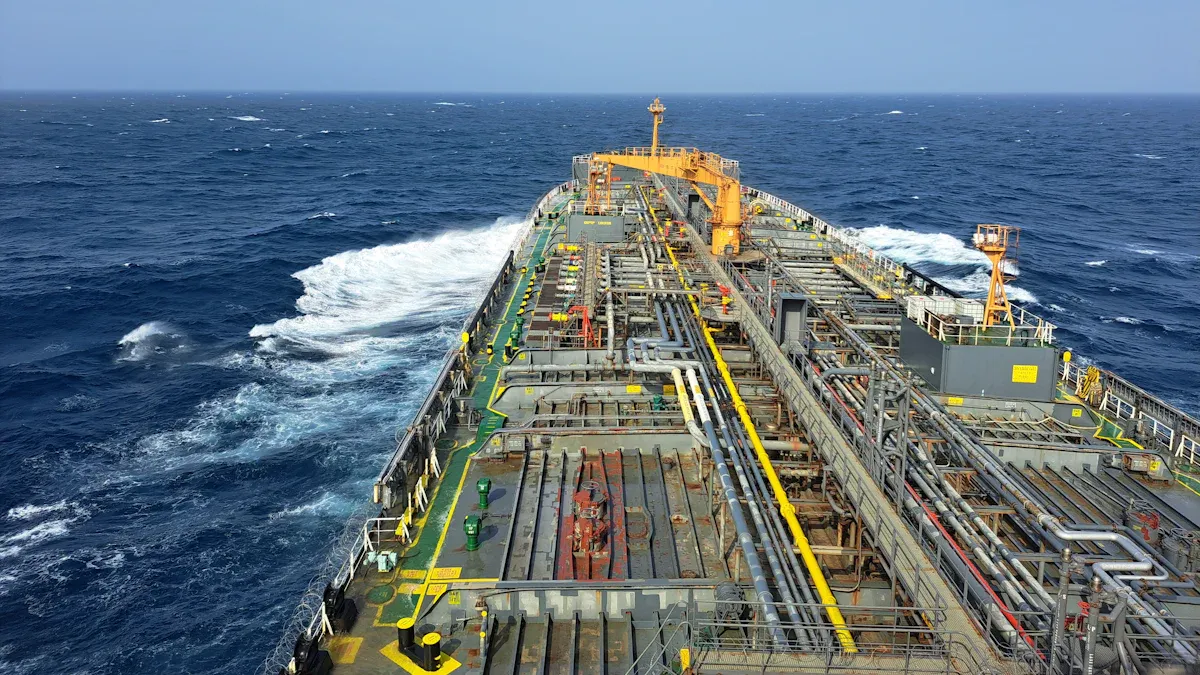
Mining companies must establish robust quality assurance and logistics strategies. These strategies ensure the reliable delivery and performance of hydraulic winches from Chinese manufacturers. This phase involves meticulous checks, clear contractual agreements, and efficient supply chain management.
Conducting Thorough Factory Audits and Quality Control Reviews
Companies must demand documented quality control processes from manufacturers. These processes include incoming material inspection, in-process checks, and final testing. They should request factory audit reports, preferably third-party reports, and certifications. Insisting on pre-shipment inspection protocols is also crucial. Manufacturers’ openness to pre-shipment audits and third-party inspections signals a strong commitment to quality assurance.
Factory inspections, also known as factory audits or factory visits, help customers or neutral third-party organizations. These inspections check a factory’s ability to complete orders in terms of quality and quantity. They ensure a practical and effective quality management system operates. Inspectors also evaluate production capacity, equipment, and employee productivity. These evaluations aim to reduce potential problems for foreign customers. They comprehensively assess the contracted factory to avoid costly supply chain interruptions. This ensures supplier capability and reliability. Quality inspections specifically assess a factory’s ability to consistently produce qualified products meeting customer and regulatory requirements. Third-party inspections can also verify product performance.
During manufacturing, several common quality control checkpoints ensure product integrity. Manufacturers standardize design and engineering. They use CAD software for 3D models and FEA for stress analysis. They standardize dimensions, materials, and manufacturing tolerances. Designs update based on feedback and technology, with extensive testing of updated designs. Quality control of raw materials involves strict procurement procedures. Suppliers are selected based on reputation and quality systems. Incoming inspections, including non-destructive testing like ultrasonic testing for internal defects in metal components, are performed. Detailed records of materials used are maintained for traceability.
Precision manufacturing processes utilize highly automated systems with strict operating procedures. This includes state-of-the-art machining equipment, such as CNC machines for gears. Quality control checkpoints are present at various stages. These include visual inspections and non-destructive testing after welding. The assembly process is standardized, with trained workers and calibrated tools. Rigorous testing and certification occur before shipment. Winches undergo a series of tests in a dedicated facility, simulating operating conditions. This includes testing lifting capacity, speed, braking performance, and durability. Long-term endurance tests and safety feature tests, such as overload protection and emergency stop, are also conducted. Technicians also check hydraulic fluid levels and quality, topping up or replacing as needed. They inspect hydraulic hoses and fittings for leaks, cracks, or degradation, replacing compromised components promptly. They test hydraulic pressure and flow rates to ensure they meet manufacturer specifications, adjusting settings if required.
Negotiating Comprehensive Contracts and After-Sales Support
A comprehensive contract protects the mining company’s investment. It clearly outlines product specifications, quality standards, delivery schedules, payment terms, and intellectual property rights. The contract must also detail warranty provisions and after-sales support. One reputable Chinese hydraulic winch manufacturer offers a 1-year warranty for each machine. During this period, if any parts fail due to quality issues, the manufacturer sends new parts free of charge within five working days. They also provide professional after-sales support through a dedicated department available at any time. Another reputable Chinese hydraulic winch manufacturer provides an 18-month warranty for their compact hydraulic winches. Their after-sales support includes online instruction and engineers available for service, backed by a dedicated after-sales team. These examples highlight the importance of securing clear commitments for ongoing support.
Navigating Shipping, Customs, and Installation Considerations
Navigating international shipping and customs requires careful planning. Companies must choose appropriate shipping methods, whether by sea, air, or land, considering cost, transit time, and cargo size. They must also understand customs regulations, tariffs, and import duties in both China and the destination country. Proper documentation, including commercial invoices, packing lists, and certificates of origin, prevents delays. Manufacturers often provide support for these processes. Finally, companies must consider installation. This includes ensuring proper site preparation, having skilled personnel for assembly, and potentially requiring technical assistance from the manufacturer. Clear communication and detailed installation guides minimize complications and ensure the hydraulic winches operate correctly from day one.
Successful sourcing demands meticulous planning, rigorous vetting, and robust quality control. Strategic sourcing from China optimizes mining operational efficiency and safety. Companies achieve lasting success by building strong manufacturer relationships. This ensures long-term reliability and support, ultimately enhancing project outcomes and operational longevity.
FAQ
How do companies ensure the reliability of Chinese hydraulic winch manufacturers?
Companies verify manufacturer credentials, audit factories, and check production capabilities. They prioritize manufacturers with proven mining equipment expertise.
What is the most important step for quality assurance?
Thorough factory audits and pre-shipment inspections are crucial. These steps ensure products meet specified quality standards before delivery.
Do Chinese manufacturers offer after-sales support?
INI Hydraulic provide comprehensive warranties and dedicated after-sales teams. They offer technical assistance and spare parts.