What are common uses for a drill winch?
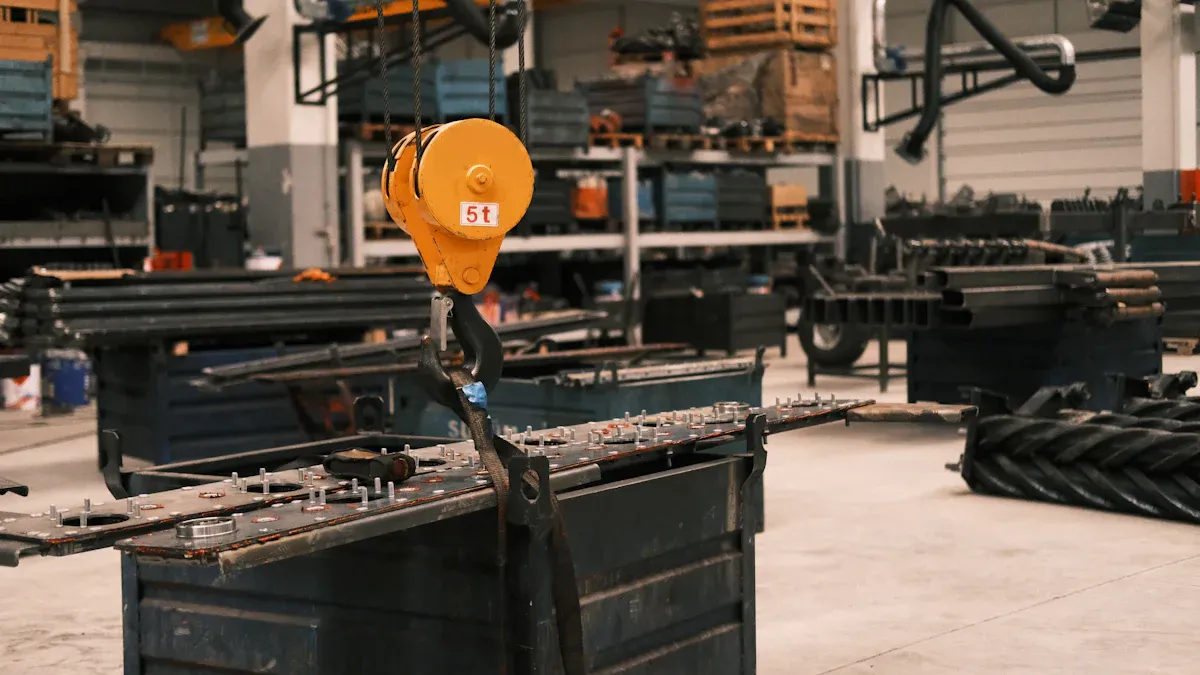
Drill winches are versatile tools. They perform light to medium-duty pulling and lifting tasks efficiently. These devices provide significant mechanical advantage. Users can manage various projects with ease. A drilling winch enhances productivity across numerous applications, making demanding jobs more accessible.
Key Takeaways
- Drill winches are useful tools. They help with pulling and lifting tasks. They work for cars, homes, and workshops.
- These winches make hard jobs easier. They help load vehicles, move heavy items, and lift engines. They save effort and keep people safe.
- Always use a drill winch safely. Check the equipment. Do not pull too much weight. Wear safety gear.
Automotive and Trailer Applications for a Drilling Winch
A drilling winch offers significant utility in automotive and trailer-related tasks. These tools provide the necessary power for various pulling and positioning needs, making them indispensable for vehicle owners and trailer operators.
Loading ATVs, UTVs, and Small Boats
Loading recreational vehicles such as ATVs, UTVs, and small boats onto trailers often presents a challenge. A drilling winch simplifies this process. These winches provide controlled pulling power, ensuring a smooth and safe loading operation. For instance, Champion Power Equipment offers an ATV/UTV Winch Kit with a 3000 lb rated line pull, which is ideal for robust winching with these vehicles. Similarly, VEVOR provides an electric winch with a 2000 lb line pull capacity, specifically designed for ATVs and UTVs, and suitable for off-road recovery and towing smaller vehicles. This capacity range ensures users can handle a variety of light to medium-sized recreational equipment.
Moving Disabled Vehicles and Positioning Trailers
Moving a disabled vehicle, even for a short distance, can be difficult without mechanical assistance. A drilling winch provides the force needed to pull a non-running car onto a flatbed trailer or out of a difficult spot. Furthermore, positioning trailers, especially in tight spaces or on uneven ground, becomes much easier with a winch. Operators can precisely maneuver trailers without manual strain, enhancing efficiency and safety.
Loading Various Trailers
Beyond recreational vehicles, a drilling winch proves invaluable for loading many other types of trailers. This includes utility trailers, car haulers, and even small equipment trailers. Proper safety precautions are crucial when using a winch for these tasks. Before winching, individuals must inspect the cable or rope for any damage like frays or kinks; damaged lines should not be used. Ensuring the trailer is parked on level ground, chocked, and stabilized is also essential. Users must verify the winch’s power source, such as proper wiring or a charged battery for electric models. Confirming the load remains within the winch’s rated pulling capacity prevents damage and ensures safety.
Operators should position the vehicle or equipment straight with the trailer ramps. Connecting the winch line to a secure anchor point, such as tow hooks or D-rings, is vital, avoiding suspension parts or bumpers. Keeping the winch line tight by taking up slack before pulling and using slow, steady motion during winching are important steps. If visibility is limited, a spotter should assist. Pausing halfway up the ramps allows for checking alignment and tension. Once loaded, securing the vehicle with proper tie-downs, not the winch line, is mandatory. Individuals must never stand near a tensioned winch line due to the risk of whip-back. Always use separate straps or chains to tie down the load after winching. Avoiding overloading the winch beyond its rated capacity and wearing work gloves to prevent cuts or burns from cables or rope are also critical. The angle of pull should not be ignored, as a sharp sideways pull can damage the cable or drum. Regular cleaning and lubrication of the winch, focusing on gears, cable, and drum, maintain its functionality. For electric winches, inspecting electrical connections for corrosion or looseness and ensuring they are tight and secure is necessary. Addressing cable snags or tangles immediately by unwinding and re-winding properly prevents further issues. Incorporating safety chains and hooks as a backup in case the primary winch line fails adds an extra layer of security. Choosing hooks rated for more than the maximum load and considering locking hooks enhances safety. Utilizing wireless remote controls for electric winches allows operation from a safe distance.
Home, Garden, and Outdoor Projects with a Drilling Winch
A drilling winch offers immense utility for various tasks around the home, garden, and other outdoor spaces. These tools simplify many physically demanding jobs, making them manageable for individuals.
Moving Heavy Planters and Landscaping Materials
Moving heavy planters, large rocks, or bags of soil and mulch can be strenuous. A drilling winch provides the mechanical advantage necessary to slide or pull these heavy items across a yard or patio. This capability prevents back strain and makes landscaping projects much more efficient. Users can easily reposition decorative elements or transport materials to different areas of their property.
Pulling Small Stumps and Hauling Firewood
Removing small tree stumps often presents a significant challenge. A drilling winch simplifies this task. First, clear any debris around the stump. Then, dig around the stump to expose its roots. Attach the cable securely around the stump or its major roots. Crank the winch to gradually increase tension on the cable, eventually uprooting the stump. A stump puller, which includes a winch and cable system, is a robust tool designed to use leverage to uproot stumps. The winch provides the necessary force to pull the stump out by increasing tension on the cable.
Safety Tip:
- Wear safety gear, including gloves and safety glasses.
- Consider having a helper for added safety and efficiency.
Hauling firewood from a woodpile to a storage area or vehicle also becomes easier with a winch. This tool allows individuals to pull heavy loads of logs without manual lifting. When hauling firewood, follow these safety guidelines:
- Secure Mounting: Ensure the winch is properly installed and securely mounted on a sturdy support structure. Avoid unstable surfaces.
- Correct Control Usage: Familiarize yourself with winch controls. Operate them properly to prevent accidents or damage.
- Avoid Overloading: Adhere strictly to the winch’s rated workload. Ensure the load is even and does not exceed capacity.
- Maintain Clean Surroundings: Keep the work area clean and tidy. Avoid cluttered spaces to reduce accident risks.
- Anchor Selection: When using trees as anchors, wrap tree trunk protectors near the base to prevent uprooting.
- Stay Alert: Remain vigilant. Pay attention to the environment and avoid distractions. Use agreed-upon gestures when working with others.
- Personnel Safety: Do not let the cable pass through your hand when rewinding. Avoid standing on, straddling, or between tight winch lines and the towed object/anchor.
- Regular Maintenance: Perform regular checks, cleaning, lubrication, and component replacement. This ensures safety and extends winch life.
- Emergency Preparedness: Have an emergency plan. Ensure operators know emergency procedures. Have an emergency stop device readily available.
Stretching Fences and Tensioning Wires
Installing or repairing fences often requires significant tension to ensure posts are straight and wires are taut. A drilling winch provides the controlled pulling force needed to stretch fence wire tightly between posts. This application ensures a professional-looking and durable fence. Similarly, tensioning other types of wires, such as those for trellises or support structures, becomes a straightforward process.
Pulling Logs from Wooded Areas
Retrieving cut logs from dense or uneven wooded areas can be physically demanding. A drilling winch allows users to pull logs efficiently from challenging terrain to a more accessible location. This capability saves time and effort, making timber management or firewood collection much more manageable. The winch’s controlled pulling action minimizes damage to the surrounding environment and ensures safe log extraction.
Workshop, Marine, and Industrial Tasks for a Drilling Winch

A drilling winch offers indispensable assistance across various specialized environments. These tools provide precise control and significant power for tasks in workshops, marine settings, and industrial operations. They enhance efficiency and safety for many demanding jobs.
Lifting Small Engines and Positioning Heavy Machinery
Workshops frequently handle heavy components. A drilling winch provides a controlled method for lifting small engines during repair or maintenance. Mechanics can safely raise an engine block from a vehicle or position it onto a workbench. Similarly, moving heavy machinery within a confined workshop space presents a challenge. The winch allows for precise adjustments, enabling workers to slide equipment into exact positions without manual strain. This capability minimizes the risk of injury and prevents damage to valuable equipment.
Moving Workbenches and Retrieving High Items
Rearranging a workshop often involves repositioning heavy workbenches. A drilling winch simplifies this task, allowing individuals to pull and guide benches across the floor with minimal effort. This tool also proves useful for retrieving items stored on high shelves or mezzanines. Workers can attach the winch line to a container or item, then safely lower it to the ground. This method eliminates the need for ladders in some situations, enhancing workplace safety.
Raising Sails and Moving Small Boats
Marine applications greatly benefit from a drilling winch. Sailors commonly use this tool for hoisting sails, including the mainsail, on small boats. The process involves securing a drill bit firmly, inserting it into the main halyard winch, and steadily increasing power. This method allows for quick raising of the main sail, especially when sailing with limited crew. It also helps avoid issues like catching battens on lazy jack ropes. This technique significantly reduces the physical effort and potential for frustration associated with manual winching. Furthermore, a drilling winch can assist in moving small boats on trailers or maneuvering them into storage. It offers a reliable way to pull vessels onto cradles or position them for maintenance. This versatility makes the winch a valuable asset for boat owners.
Winching Up Air Conditioners
Installing or removing air conditioning units, particularly window or wall-mounted models, often requires lifting heavy, awkward objects. A drilling winch provides the necessary mechanical advantage for these tasks. Technicians can use the winch to carefully raise an air conditioner to its installation point or lower it for servicing. This controlled lifting capability ensures a safer and more efficient process, reducing the physical strain on installers. It also helps prevent damage to the unit or the surrounding structure during placement.
Drill winches offer broad utility for various pulling and lifting needs. They are practical tools for DIY enthusiasts and general users. A Drilling Winch’s versatility makes it invaluable across automotive, home, and industrial settings. This essential tool simplifies many demanding tasks, enhancing efficiency and safety for diverse projects.
FAQ
What is the typical pulling capacity of a drill winch?
Drill winches typically offer pulling capacities from 500 to 2,000 pounds. Some specialized models can exceed this range for heavier tasks.
Can users operate a drill winch with any standard drill?
Most drill winches require a powerful corded or cordless drill. A drill with high torque and a low RPM setting works best for optimal performance.
Is a drill winch suitable for continuous heavy-duty use?
Drill winches are designed for intermittent, light to medium-duty tasks. They are not ideal for continuous heavy industrial applications.