What are hydraulic winches used for?
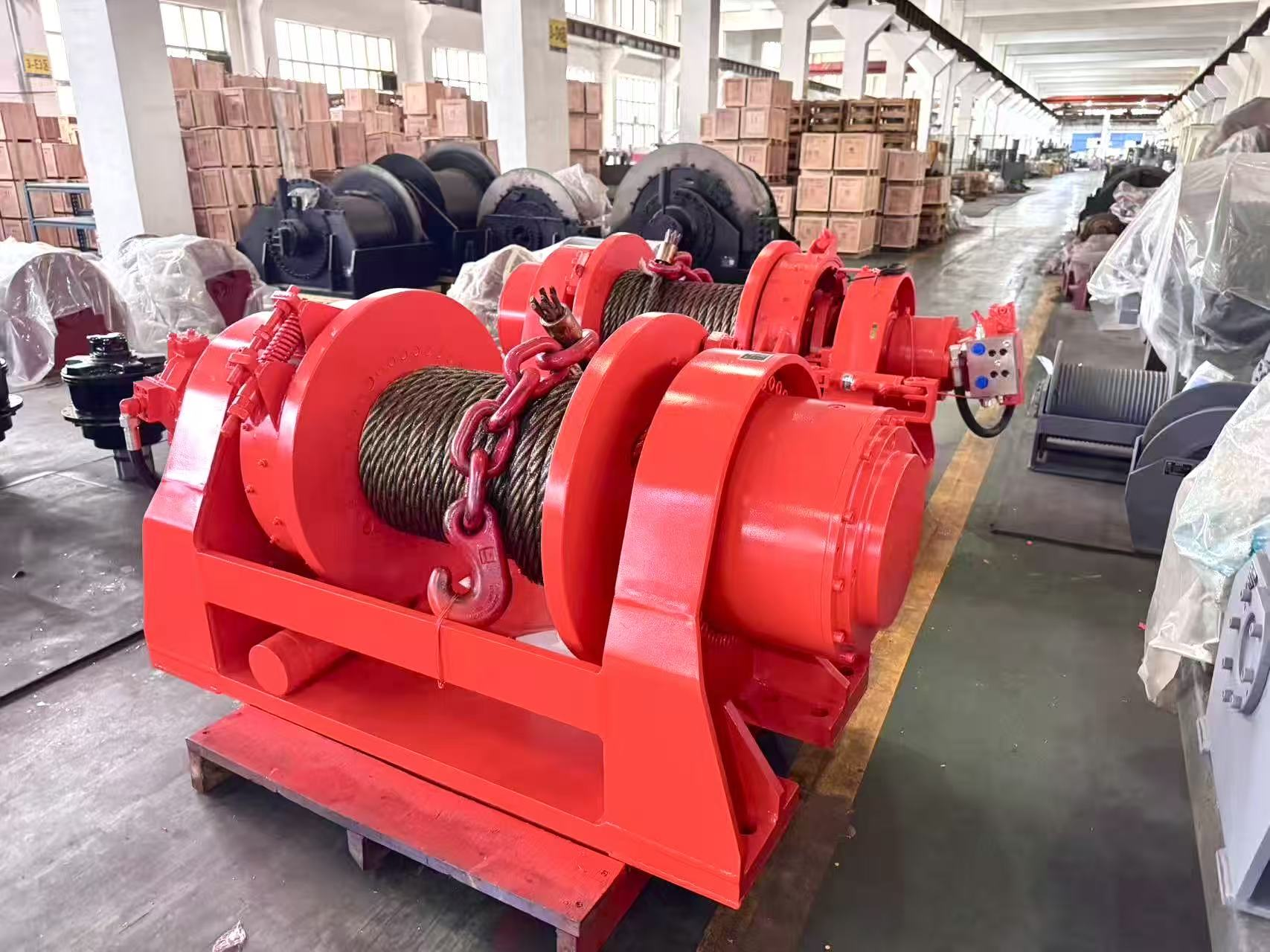
Hydraulic winches are robust mechanical devices. They perform heavy-duty pulling, lifting, and anchoring tasks across various demanding industries. These devices are essential for operations requiring significant power, precise control, and continuous function in challenging environments. A 20 ton hydraulic winch for demanding tasks exemplifies this powerful capability.
Key Takeaways
- Hydraulic winches are strong machines. They pull, lift, and hold heavy things in many jobs.
- These winches work well in tough places. They offer great power and last a long time.
- Many industries use hydraulic winches. They help with towing, lifting, and moving heavy items safely.
Primary Applications of Hydraulic Winches
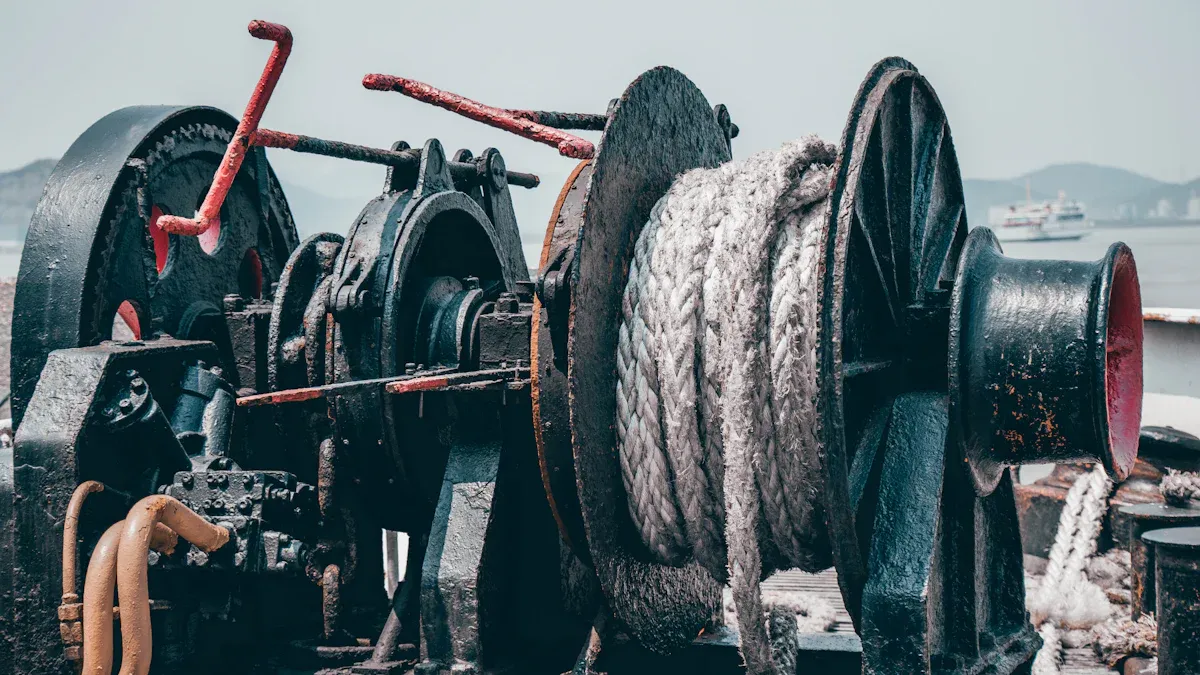
Hydraulic winches perform a diverse range of critical tasks across numerous industries. Their robust design and powerful operation make them indispensable for applications demanding strength, precision, and reliability.
Heavy-Duty Towing and Recovery
Hydraulic winches excel in heavy-duty towing and recovery operations. They provide the immense pulling force necessary to move large, immobilized objects or vehicles. For instance, Braden recovery winches are ideal for utility, towing, and off-road applications where strength and dependability are critical. Similarly, Carco tractor winches find use in heavy-duty applications, including forestry, construction, and pipeline work. These winches provide reliable traction and load control in tough off-road conditions. A 20 ton hydraulic winch for vehicle recovery often becomes the primary tool for retrieving large trucks or construction equipment from challenging terrains.
Lifting and Lowering Operations
These powerful devices are fundamental to various lifting and lowering operations. Industries utilize hydraulic winches to precisely control the vertical movement of heavy loads. They are commonly found on cranes, hoists, and other lifting equipment, ensuring safe and efficient handling of materials. Their smooth and controlled operation minimizes the risk of sudden drops or jerky movements, which is crucial when positioning delicate or valuable components.
Anchoring and Mooring Systems
In marine environments, hydraulic winches play a vital role in anchoring and mooring systems. They provide the necessary strength to deploy and retrieve anchors, securing vessels even in challenging water conditions. These winches are also essential for mooring operations, assisting in securing vessels to docks or other structures. Their consistent pulling power ensures ships remain safely in place, resisting strong currents and winds.
Material Handling and Positioning
Hydraulic winches are also integral to material handling and precise positioning tasks. Manufacturing plants, warehouses, and construction sites employ them to move and accurately place heavy components. Whether it involves guiding large structural beams into position or shifting heavy machinery, these winches offer the controlled power required for such intricate operations. They enhance efficiency and safety in environments where manual handling is impractical or dangerous.
Tensioning and Pulling Cables
Hydraulic winches are exceptionally well-suited for tensioning and pulling cables. They perform horizontal movement, such as towing vehicles or dragging equipment. They also provide essential tension adjustment, maintaining a steady force in applications like maritime mooring or anchoring operations. Hydraulic winches are noted for their extreme durability and higher torque values compared to electric winches, making them well-suited for these demanding tasks. Common applications include towing trucks, cranes, rescue trucks, garbage trucks, fire trucks (front mounting), vacuum trucks, and off-road vehicles for moving equipment or recovering vehicles. A 20 ton hydraulic winch for pipeline construction often performs these critical tensioning tasks, ensuring the precise laying of long cable or pipe segments.
Industries Relying on Hydraulic Winches
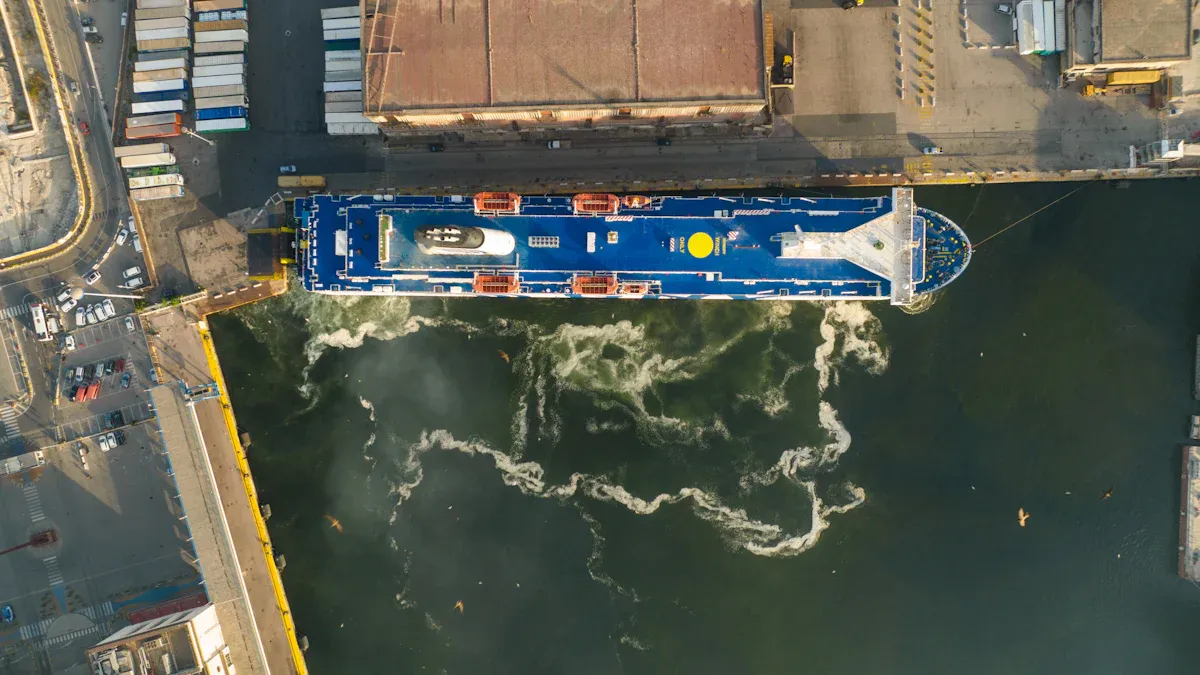
Hydraulic winches are indispensable across a broad spectrum of industries. Their robust design and powerful capabilities make them essential tools for demanding tasks in various sectors.
Construction and Infrastructure
The construction and infrastructure sectors heavily depend on hydraulic winches. These powerful devices facilitate the movement of heavy building materials, such as steel beams, concrete slabs, and large machinery. Construction crews use them for erecting towering structures, pulling heavy loads across job sites, and positioning components with precision. They ensure efficiency and safety in complex construction projects, from bridges to high-rise buildings.
Marine and Offshore Operations
In marine and offshore environments, hydraulic winches perform critical functions. They are vital for mooring operations, securing vessels to docks or other structures. These winches also handle demanding towing tasks, moving barges, ships, or offshore platforms. Furthermore, they excel at lifting heavy loads, such as subsea equipment or cargo, onto and off vessels. Their resistance to harsh saltwater conditions and continuous operational capability makes them ideal for maritime applications.
Mining and Quarrying
Mining and quarrying operations present some of the most challenging environments for machinery. Hydraulic winches prove invaluable here. They assist in moving large quantities of excavated material, pulling heavy mining equipment, and ensuring the safe transport of resources within mines or quarries. Their high torque and durability allow them to operate reliably under extreme conditions, contributing to efficient extraction processes.
Oil and Gas Exploration
The oil and gas industry, both onshore and offshore, relies significantly on hydraulic winches. They play a crucial role in drilling operations, helping to position and secure drilling rigs. Workers use them for laying pipelines, pulling heavy sections of pipe across varied terrains or underwater. On offshore platforms, winches manage anchor lines, lift heavy components, and assist in various maintenance tasks. Their ability to provide consistent power and precise control is paramount in this high-stakes industry.
Forestry and Logging
Forestry and logging operations demand powerful and reliable equipment for handling massive timber. Hydraulic winches are fundamental tools in this sector. They are used for skidding logs through dense forests, efficiently moving felled trees to collection points. Loggers also employ them for dragging felled trees over rough terrain. Additionally, these winches assist in loading and unloading operations, helping to stack timber onto trucks or processing machinery. Their strength and durability are crucial for managing heavy, irregularly shaped loads in challenging outdoor conditions.
Transportation and Logistics
The transportation and logistics industry utilizes hydraulic winches for various heavy-duty tasks. Winches facilitate the safe loading and unloading of heavy cargo, particularly from large trucks or trailers. A ‘Winch Truck‘ is a specialized vehicle equipped with high-capacity winch systems for lifting, pulling, and towing. These trucks commonly transport frac tanks, drilling machinery, and pipe racks in oil and gas fields. They also handle oversized machinery in industrial applications and move heavy mining tools. In aviation maintenance, winch trucks reposition aircraft. They also tow boats or manage heavy anchors in the marine industry.
In ports and yards, 50-ton winches spot heavy containers and assist in roll-on/roll-off moves. On barges and railcars, winches secure over-dimensional loads and tension lashings for sea-fastening. For over-the-road securement, dedicated lashing winches and tensioning hardware complement the main puller. These applications highlight the versatility and critical role of hydraulic winches in ensuring efficient and secure movement of goods.
Why Choose Hydraulic Winches?
Businesses and industries consistently choose hydraulic winches for their demanding operations. These powerful devices offer distinct advantages over other winch types, ensuring efficiency, safety, and longevity.
Superior Power and Torque
Hydraulic winches deliver exceptional power and torque. Their hydraulic systems generate immense pulling and lifting forces. This capability allows them to handle the heaviest loads with ease. They provide consistent power output, crucial for continuous, heavy-duty tasks.
Enhanced Durability and Reliability
Hydraulic motors possess a large power-to-size ratio. They handle heavy loads with ease. These motors are efficient and durable. They operate effectively across a wide temperature range, from -50° to +100° C. This allows them to function optimally in harsh environments. Electric motor components are sensitive to water, dust, and contaminants. This impacts their durability in challenging conditions. Hydraulic winches are engineered for continuous operation and extended use. They provide superior endurance and power output. A 20 ton hydraulic winch for industrial applications exemplifies this robust design.
Precise Control and Variable Speed
Valves are crucial for controlling pressure and flow of hydraulic fluid. They enable power transfer from the engine to the winch motor. Adjusting system pressure via valves ensures only necessary force delivery. Valves facilitate smooth start-up and consistent operation. They control fluid entry into different system areas. They can shut off sections when needed, preventing excessive pressure. Altering hydraulic oil pressure allows the internal motor to adjust the winch’s torque. This provides enhanced control during lifting or lowering. Precision control features, including variable speed settings, enhance safety and operational efficiency.
Continuous Operation Capability
Hydraulic winches excel in applications requiring prolonged use. Their design supports continuous operation without overheating or performance degradation. This makes them ideal for tasks demanding sustained pulling or lifting over extended periods.
Safety Features and Overload Protection
Hydraulic winches inherently possess overload protection. Relief valves set maximum working pressure. They maintain stable operation even with sudden load changes up to 20% without system damage. Pressure-loss protection is a core passive safety advantage. This function ensures a hydraulic lock engages instantly. It prevents the load from falling during unexpected power failure or pipeline rupture. Relief valves limit system pressure. This prevents mechanical structures from damage due to overload.
Adaptability to Harsh Environments
Hydraulic winches thrive in challenging conditions. Their sealed systems resist dust, dirt, moisture, and extreme temperatures. This makes them highly adaptable for use in marine, mining, construction, and other severe environments.
20 Ton Hydraulic Winch for Demanding Tasks
Heavy Equipment Recovery
A 20 ton hydraulic winch for heavy equipment recovery provides immense power. It retrieves large construction vehicles, mining machinery, or agricultural equipment. Operators depend on its strength to pull immobilized assets from challenging terrains like mud, sand, or steep inclines. This winch ensures safe and efficient recovery operations, minimizing downtime and potential damage to valuable machinery. Its robust design handles the extreme forces involved in extracting heavy loads.
Large Vessel Mooring
Marine operations extensively utilize a 20 ton hydraulic winch for large vessel mooring. It secures substantial ships, oil rigs, and offshore platforms. This winch ensures stable positioning against strong currents, high winds, and turbulent waters. Its precise control allows for accurate placement and tensioning of mooring lines, critical for maritime safety and operational stability. It handles the continuous strain of keeping large vessels firmly in place.
Industrial Material Pulling
Industries employ a 20 ton hydraulic winch for industrial material pulling. It moves massive components, raw materials, or finished products within factories, shipyards, or large assembly plants. This capability supports efficient material handling and precise placement of heavy items, such as steel plates, engine blocks, or pre-fabricated sections. The winch’s consistent power and controlled speed enhance productivity and safety in heavy industrial environments.
Pipeline Construction
Pipeline projects frequently use a 20 ton hydraulic winch for pipeline construction. It assists in laying long segments of pipe across diverse landscapes, including deserts, mountains, and underwater environments. This winch provides the necessary force for tensioning, pulling, and positioning heavy pipe sections during installation. Its reliability ensures smooth progress in complex and often remote construction sites, contributing to the timely completion of critical infrastructure.
The Role of Hydraulic Winches in Specialized Operations
Hydraulic winches play a crucial role in various specialized fields. They provide essential power and precision for critical tasks.
Rescue and Emergency Services
Rescue and emergency services extensively use hydraulic winches. These powerful tools assist in critical situations, such as vehicle extrication from accidents or debris removal during natural disasters. They provide the necessary force to pull heavy objects, ensuring the safety of victims and responders. Their reliability and strength make them indispensable for rapid and effective emergency responses.
Utility and Cable Laying
Utility companies rely on hydraulic winches for cable laying operations. These winches are powered by heavy-duty diesel engines with hydraulic transmission, which ensures smooth, controlled cable pulling. They feature console-mounted line tension indicators, which display the pulling force. Operators can pre-set these winches to avoid exceeding maximum permissible cable pulling tensions. Workers use them for installing various types of cables, including LV, MV, HV, EHV power cables, and delicate fiber optic cables.
Off-Road and Vehicle Recovery
For off-road and vehicle recovery, hydraulic winches offer significant advantages. They provide continuous duty cycles, higher torque, and superior reliability in extreme conditions. These features make them ideal for retrieving vehicles stuck in challenging terrains, such as mud, sand, or steep inclines. Their robust construction ensures consistent performance when operators need it most.
Specialized Industrial Applications
Hydraulic winches are essential in many specialized industrial applications. They are used extensively in marine craft and fishing boats. Waste and refuse industries employ them in garbage trucks. Utility and electric industries utilize them daily. Construction equipment relies on them for demanding requirements in specialized applications. They are also considered top-tier for water well and drilling industries. Manufacturers design hydraulic winches for large rated loads and demanding tasks on both land and water. They are commonly used on ships, shores, and docks, and they handle heavy-duty jobs.
Hydraulic winches serve as indispensable tools for heavy-duty applications. They deliver unmatched power, control, and reliability. Their versatility makes them critical across diverse industries, ensuring efficient and safe operations. Businesses invest in a hydraulic winch for a durable solution to demanding pulling and lifting challenges.
FAQ
What is a hydraulic winch?
A hydraulic winch is a robust mechanical device. It uses hydraulic fluid pressure to generate power. This power pulls, lifts, or anchors heavy loads. It operates across various demanding industries.
How does a hydraulic winch operate?
A pump pressurizes hydraulic fluid. This fluid then drives a hydraulic motor. The motor turns the winch drum. This action generates immense pulling or lifting force.
What are the main advantages of hydraulic winches?
Hydraulic winches offer superior power and torque. They provide enhanced durability and precise control. Their continuous operation capability and integrated safety features are significant benefits.