What’s the difference between hydraulic brakes and regular brakes?
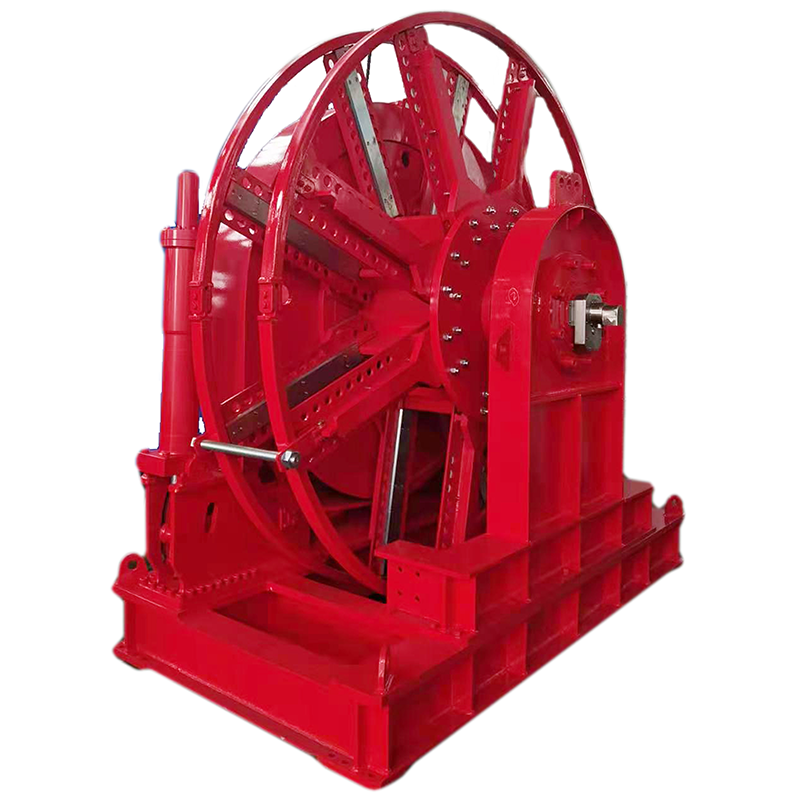
Hydraulic brakes and regular brakes serve distinct functions in vehicle performance. The Hydraulic Braking System operates through hydraulic fluid pressure, offering greater stopping efficiency. In contrast, regular brakes rely on mechanical components, which can lead to varied performance. Understanding these differences helps in assessing their impact on maintenance and overall cost.
Key Takeaways
- Hydraulic brakes provide superior stopping power, delivering 20-30% more force than regular brakes, which enhances safety during critical braking situations.
- Regular maintenance of hydraulic brakes can extend their lifespan by 2-3 years and reduce repair costs by up to 60%, making them a cost-effective choice in the long run.
- Choosing between hydraulic and regular brakes involves considering initial costs versus long-term value, as hydraulic systems may be pricier upfront but offer better performance and reliability.
Definitions
Hydraulic Braking System
A hydraulic braking system is a sophisticated mechanism that utilizes hydraulic fluid to transmit force from the brake pedal to the braking components. This system enhances stopping power and provides a more responsive braking experience. According to automotive standards, a hydraulic brake system is defined as:
Hydraulic brake system means a system that uses hydraulic fluid as a medium for transmitting force from a service brake control to the service brake and that may incorporate a brake power assist unit, or a brake power unit.
The hydraulic braking system comprises several key components that work together to ensure effective braking. The following table outlines these components and their functions:
| Component | Function |
|---|---|
| Master cylinder | Houses brake fluid; creates hydraulic pressure when the brake pedal is pressed. |
| Brake calipers | Contains pistons that create friction on the brake rotor when pressurized by the master cylinder. |
| Brake wheel cylinders | Applies hydraulic pressure to brake shoes, pressing them against the drums to slow the vehicle. |
| Brake pads | Provides friction against the brake rotor to slow or stop the vehicle’s wheels. |
| Brake rotors | Disc-shaped rotors that provide a surface for brake pads to press against, creating friction. |
| Hoses/lines | Connects all components and transmits hydraulic pressure throughout the system. |
Regular Brakes
Regular brakes, often referred to as mechanical brakes, encompass a variety of braking systems that primarily rely on friction to slow down or stop a vehicle. These systems can be categorized into several types, each with distinct characteristics. The following table summarizes the most common types of regular brakes:
| Type of Brake | Description |
|---|---|
| Frictional Brakes | The most common type, using friction to slow down vehicles. |
| Shoe/Pad Brakes | Explicit wear surfaces that create friction. |
| Hydrodynamic Brakes | Use friction in a working fluid, such as parachutes, and do not explicitly wear. |
| Drum Brakes | Involves brake shoes that press against a rotating drum to create friction. |
| Disc Brakes | Pads pinch a rotating disc to create friction. |
Regular brakes include both drum and disc brakes. Drum brakes were the first in-wheel braking systems, originally mechanical but now often hydraulic. Disc brakes function similarly to drum brakes but utilize a different set of components to create friction.
Understanding these definitions provides a foundation for comparing the performance, maintenance, and costs associated with hydraulic and regular brakes.
How They Work
Mechanism of Hydraulic Brakes
The hydraulic braking system operates through a series of steps that convert pedal input into effective braking. When the driver presses the brake pedal, it activates the pistons in the master cylinder. This action generates a surge of hydraulic pressure, which pushes brake fluid through the system towards the brake calipers. The hydraulic system amplifies the force applied by the driver, enhancing braking effectiveness. The pressure triggers the calipers, creating the necessary friction to stop the vehicle. Here’s a quick overview of the process:
- Pressing the brake pedal activates the master cylinder.
- Hydraulic pressure builds up.
- Brake fluid travels to the calipers.
- Calipers create friction against the brake rotors.
Mechanism of Regular Brakes
Regular brakes function differently, relying on mechanical components to create friction. When the driver presses the brake pedal, it pushes a plunger in the master cylinder. The brake booster multiplies the input force, sending compressed brake fluid through the brake lines to each wheel. This hydraulic pressure activates the brake calipers or wheel cylinders, leading to the following sequence:
| Step | Description |
|---|---|
| 1 | User presses the brake pedal, which pushes a plunger in the master cylinder. |
| 2 | The brake booster multiplies the input force to the master cylinder. |
| 3 | Brake fluid is compressed and sent through brake lines to each wheel. |
| 4 | Hydraulic pressure activates the brake calipers or wheel cylinders at each wheel. |
| 5 | In disc brakes, the caliper squeezes the rotor, while in drum brakes, the shoes spread against the drum. |
| 6 | Friction is created, slowing down the vehicle until it stops. |
Understanding these mechanisms highlights the differences in operation between hydraulic brakes and regular brakes, emphasizing the efficiency of the hydraulic system.
Performance Comparison
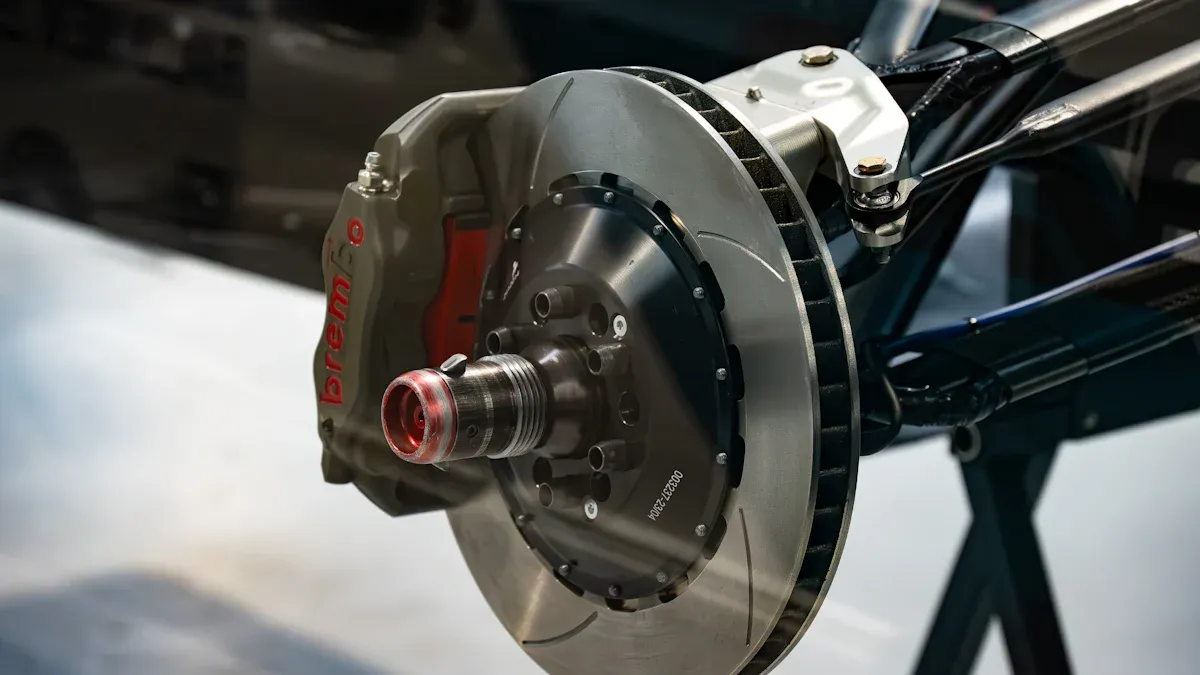
Stopping Power
Stopping power is a critical factor in evaluating brake systems. Hydraulic brakes consistently outperform regular brakes in this area. Studies show that hydraulic disc brakes can deliver 20-30% more stopping power compared to mechanical systems. This increase in force is vital during critical braking situations. It allows for better modulation, enabling drivers to apply brakes smoothly and progressively. This capability is essential for maintaining control and preventing wheel lock-up.
In controlled conditions, the average stopping distances for vehicles equipped with hydraulic brakes are significantly shorter. For instance, hydraulic brakes can stop a vehicle from 25 km/h in approximately 3.2 meters, while regular brakes require about 4.0 meters. This difference highlights the superior efficiency of the hydraulic braking system.
| Brake Type | Stopping Distance (dry) | Modulation Score |
|---|---|---|
| Shimano Deore Hydraulic Brakes | ~3.2 meters from 25km/h | 9.5/10 |
| Tektro MD-M300 Mechanical Brakes | ~4.0 meters from 25km/h | 7.3/10 |
Modulation and Control
Modulation refers to the ability to control braking force effectively. Hydraulic disc brakes excel in this aspect due to their fluid-filled system. This design enhances modulation, allowing for precise control over braking force. The benefits of hydraulic brakes include:
- Consistent and fluidic braking performance.
- Enhanced modulation for smooth and progressive braking.
- Improved control during quick stops or rapid adjustments.
In contrast, regular brakes may struggle with modulation, especially under varying conditions. Hydraulic systems maintain about 80-90% of their dry performance in wet conditions. Mechanical brakes, however, can drop to 60-70% of their dry performance when exposed to moisture. This vulnerability can lead to significant efficiency loss, especially in adverse weather.
Heat Dissipation
Heat dissipation is another crucial factor affecting brake performance. Hydraulic brakes are designed to manage heat more effectively than regular brakes. Key design factors, such as material and structure, influence the heat dissipation capabilities of hydraulic brakes. The advantages include:
- Superior braking power and consistency under heat buildup conditions.
- Efficient force transfer due to the non-compressible nature of hydraulic fluid.
- Reduced risk of brake fade, which can occur in regular brakes due to significant heat buildup.
Regular brakes may experience more substantial heat buildup, leading to performance degradation. Understanding heat management is crucial for optimizing braking performance in both hydraulic and regular brakes. Effective heat dissipation ensures reliable braking, especially during repeated use.
Maintenance Needs
Hydraulic Brake Maintenance
Maintaining hydraulic brakes is crucial for optimal performance and longevity. Regular maintenance can significantly reduce the risk of brake failure. Here are some essential maintenance tasks:
- Regular Inspection & Cleaning: Check for leaks and wear in the hydraulic lines and components.
- Fluid Replacement (Bleeding): It is recommended to replace the brake fluid annually for casual riders and biannually for mountain bike (MTB) riders.
Proper maintenance can extend the lifespan of hydraulic brakes by 2–3 years. Notably, 90% of brake failures stem from contaminated fluid or worn seals. Additionally, maintaining hydraulic brakes can reduce repair costs by up to 60%.
Regular Brake Maintenance
Regular brakes also require consistent maintenance to ensure safety and performance. Key maintenance tasks include:
- Brake Pad Replacement: The average cost for brake pad replacement ranges from $115 to $300 per axle, including parts and labor. For all four wheels, the cost typically ranges from $230 to $600.
- Brake Rotor Replacement: This can cost between $300 and $800 for both parts and labor.
Brake pads generally last between 30,000 to 70,000 miles, while brake rotors can last between 50,000 to 70,000 miles or more. It is advisable to replace brake fluid every 2 to 3 years or as per the vehicle’s owner’s manual. Regular maintenance ensures that the braking system operates efficiently and safely.
Cost Analysis
Initial Costs of Hydraulic vs. Regular Brakes
When considering the initial purchase costs, hydraulic brakes typically present a higher price point compared to regular brakes. This difference arises from the advanced technology and materials used in hydraulic systems. Regular brakes, on the other hand, are generally more affordable due to their simpler design and widespread availability.
Long-term Costs and Value
Long-term costs encompass maintenance, parts replacement, and professional service fees. The following table summarizes these costs over a five-year period:
| Brake Type | Initial Purchase Cost | Parts Replacement Cost | Professional Service Cost | Total 5-Year Cost |
|---|---|---|---|---|
| Hydraulic | Higher | Medium | Higher | Generally 30-50% higher |
| Mechanical | Lower | Medium | Lower | More economical, especially with DIY maintenance |
Hydraulic brakes may incur higher overall costs due to their complex components and the need for specialized service. However, they often provide superior performance and reliability. Regular brakes, while more economical upfront, may require more frequent maintenance and replacements, especially if the vehicle experiences heavy use.
Ultimately, vehicle owners should weigh the initial costs against long-term value when choosing between hydraulic and regular brakes. Understanding these financial implications can guide informed decisions that align with individual driving needs and budgets.
Pros and Cons
Advantages of Hydraulic Brakes
Hydraulic brakes offer several notable benefits that enhance vehicle performance. Automotive experts and users frequently highlight the following advantages:
- Excellent braking performance: Hydraulic systems provide superior stopping power.
- Precise control: Drivers experience enhanced modulation, allowing for smoother stops.
- Consistent operation: These brakes maintain performance across various conditions.
- Even distribution of braking force: Hydraulic brakes apply force uniformly to all wheels.
- High reliability: They are less prone to wear and tear compared to mechanical systems.
- Capability to handle heavy-duty braking: Ideal for vehicles requiring robust stopping power.
Disadvantages of Hydraulic Brakes
Despite their advantages, hydraulic brakes come with some drawbacks. The following table summarizes the most commonly cited disadvantages:
| Disadvantage | Description |
|---|---|
| Complexity | Requires specialized tools and knowledge for maintenance and repair. |
| Potential Fluid Issues | Vulnerable to fluid leaks which can affect performance. |
| Cost | Initial setup and repair costs are higher compared to mechanical brakes. |
Hydraulic brakes can become unusable due to minor faults like leaks or blown seals, making them less field serviceable than mechanical brakes. While these brakes require less frequent adjustments, repairs can be complex and often necessitate professional assistance, adding to overall costs.
Advantages of Regular Brakes
Regular brakes also present distinct advantages. They are generally more affordable and easier to maintain. Key benefits include:
- Lower initial costs: Mechanical brakes are typically less expensive to install.
- Simplicity in design: Their straightforward mechanics make them easier to repair.
- Accessibility: Many mechanics are familiar with regular brake systems, ensuring quick service.
Disadvantages of Regular Brakes
However, regular brakes have limitations, especially under extreme conditions. Notable disadvantages include:
- Performance limitations in wet conditions: Regular brakes can lose efficiency due to cable exposure and contamination.
- Vulnerability to temperature extremes: Cold weather can increase fluid viscosity, while hot conditions may lead to overheating.
- Frequent maintenance needs: Regular brakes often require more frequent adjustments and replacements.
Understanding these pros and cons helps vehicle owners make informed decisions based on their specific needs and driving conditions.
Understanding the differences between hydraulic and regular brakes aids in making informed decisions. Consider these factors when choosing:
- Stronger braking force for heavy loads
- Extended lifespan due to less maintenance
- Superior stopping power and smoother braking experience
Evaluate your specific needs to select the best option.
FAQ
What are the main advantages of hydraulic brakes?
Hydraulic brakes offer superior stopping power, better modulation, and consistent performance across various conditions.
How often should I maintain my hydraulic brakes?
Regular inspections and fluid replacements are recommended annually for casual riders and biannually for mountain bikers.
Can I switch from regular brakes to hydraulic brakes?
Yes, switching is possible, but it may require additional components and professional installation for optimal performance.